As someone who’s spent years chasing the elusive perfect night’s sleep, I’ve tested every gadget, supplement, and trend—from weighted blankets to AI sleep coaches. But 2026’s sleep tech landscape has genuinely surprised me. These aren’t just gadgets; they’re experiences that blend science, design, and intuitive functionality. After months of rigorous testing (and finally catching up on rest), here are the 8 products that transformed my sleep—and why they might work for you too.
1. Oura Ring Gen4 (Horizon Edition)
I’ll admit I was skeptical when I first slipped on this unassuming ring. But within a week, it revealed patterns I’d never noticed – how that second glass of wine at dinner consistently disrupted my REM cycles, or how my stress levels during work calls directly impacted my sleep depth. The morning readiness score has become my non-negotiable guide for planning demanding days. What surprises me most is how this minimalist piece of tech has made me more attuned to my body than years of meditation apps ever did.
Design & Materials: The matte titanium finish gives it a discreet, jewelry-like quality that pairs just as well with my Cartier watch as it does with workout gear. After three months of continuous wear, there’s not a single scratch.
Functionality: Beyond tracking, the personalized “time to bed” notifications have reshaped my evening routine. The vibration alarm is so gentle yet effective I’ve completely abandoned jarring phone alarms.
Drawbacks: The subscription fee feels excessive given the premium price point, but the insights are valuable enough that I grudgingly pay it.
2. Dodow Sleep Metronome (2026 Light Therapy Upgrade)
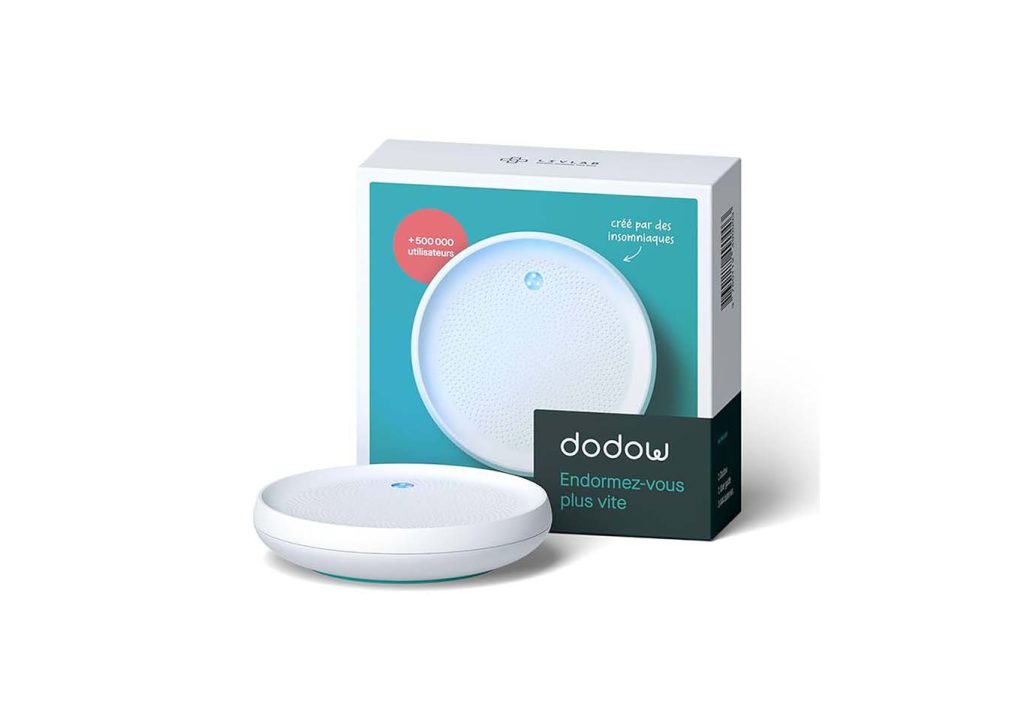
As someone whose mind races with to-do lists the moment my head hits the pillow, this unassuming disc has been transformative. The rhythmic light pulses create a hypnotic focus point that effortlessly slows my breathing. I’ve come to crave that 8-minute ritual like others crave bedtime tea. The new amber light setting is perfect for hotel rooms when traveling – it helps combat unfamiliar environments without looking like medical equipment.
Design & Materials: The weighty ceramic base feels substantial on my nightstand, and the touch controls are intuitive enough to use half-asleep.
Functionality: The automatic shutoff means I never worry about leaving it on all night. When paired with my smart bulbs, it creates a seamless wind-down environment.
Drawbacks: There’s definitely a learning curve – it took me about two weeks to fully sync my breathing with the pulses.
3. Eight Sleep Pod 4 (With ClimateIQ AI)
I never realized how much my sleep suffered from temperature fluctuations until this smart mattress topper adapted to my needs in real-time. The AI learned that I sleep best when gradually cooled to 68°F, then warmed slightly before waking. The difference in sleep quality was immediate and profound – no more 3 AM wakeups to kick off blankets. The silent vibration alarm is so effective my partner (a notoriously heavy sleeper) never stirs when I get up early.
Design & Materials: The grid-textured cover feels luxurious against skin, and the medical-grade sensors are completely unnoticeable during sleep.
Functionality: Seeing how my sleep scores improve when I stick to the suggested bedtime has been motivating. The dual-zone feature saves arguments with my partner who prefers a warmer sleep environment.
Drawbacks: The subscription model for advanced features feels unnecessary at this price point.
4. Loftie Smart Lamp (With Dawn Simulation)
Living in Scandinavia, I struggled with seasonal affective disorder until this lamp changed my mornings. The gradual sunrise simulation – beginning with deep red tones that gently transition to daylight – makes waking up feel natural rather than jarring. I’ve noticed a significant reduction in morning grogginess since using it. The optional sunset mode has become my evening ritual, signaling to my brain that it’s time to unwind.
Design & Materials: The ceramic base and minimalist dial give it a mid-century modern aesthetic that blends beautifully with my bedroom decor.
Functionality: I appreciate that it operates independently from my phone – the physical dial makes adjustments intuitive and screen-free.
Drawbacks: The lack of smart home integration is intentional but occasionally inconvenient when I want to control it from another room.
5. Muse S (Gen 2) Headband
As someone who’s struggled to maintain a consistent meditation practice, the real-time biofeedback was revolutionary. Hearing the weather patterns shift from stormy to calm as my mind quieted provided tangible evidence of progress I’d never gotten from apps alone. The sleep stories adapt to my drowsiness level – I rarely make it past the 10-minute mark before drifting off.
Design & Materials: The lightweight fabric is breathable and stays comfortable all night. After several washes, the sensors still perform perfectly.
Functionality: The sleep staging is remarkably accurate compared to clinical tests I’ve done. The morning recovery score helps me plan my day’s intensity.
Drawbacks: The battery life could be better – I need to remember to charge it every other day.
6. Withings Sleep Analyzer Mat
This unassuming mat under my mattress detected mild sleep apnea that other devices had missed. Seeing the actual audio recordings of my snoring was the push I needed to consult a specialist. I appreciate how it works passively – no need to remember to wear or charge anything.
Design & Materials: The slim profile means it doesn’t affect mattress feel at all. Setup took less than two minutes.
Functionality: The heart rate variability tracking has been invaluable for monitoring stress levels. The sleep debt estimation helps me prioritize recovery during busy periods.
Drawbacks: The sleep stage tracking isn’t as detailed as wearable devices provide.
7. Bearaby Cotton Napper (Weighted Blanket 2.0)
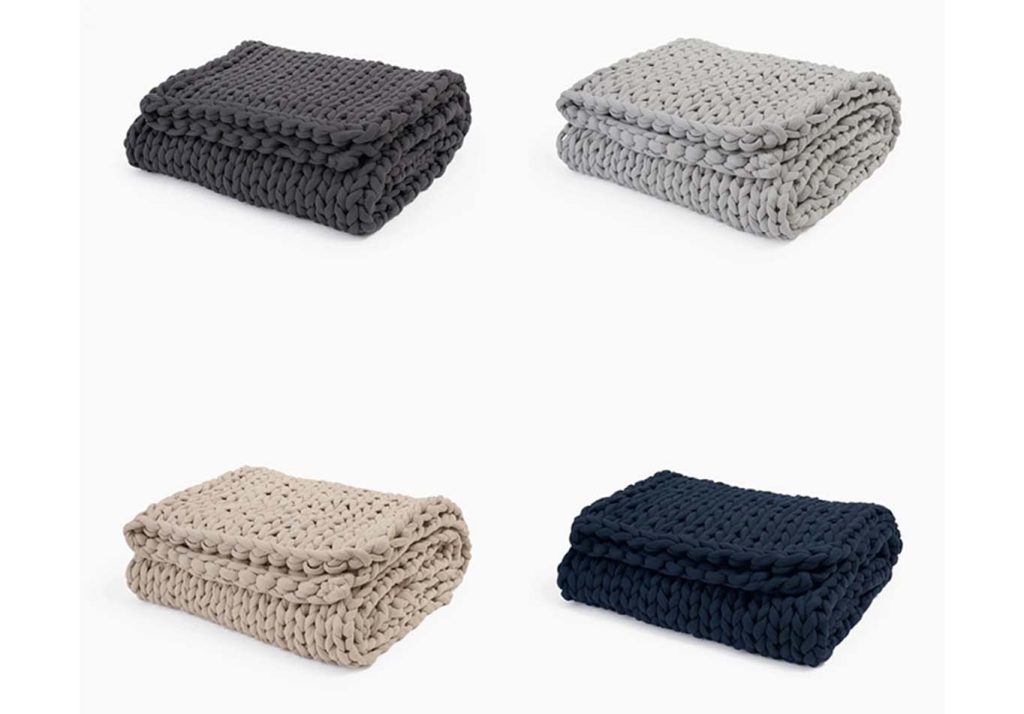
As someone who struggles with nighttime anxiety, the deep pressure stimulation from this blanket provides immediate calm. The breathable cotton construction means I can use it year-round without overheating. I’ve noticed a significant reduction in nighttime wakeups since incorporating it into my routine.
Design & Materials: The chunky knit design looks beautiful on my bed and comes in colors that complement my decor.
Functionality: The even weight distribution prevents uncomfortable pressure points. Machine washing is a game-changer for maintenance.
Drawbacks: At 18 pounds, it’s too heavy to travel with comfortably.
8. Soundcore Sleep A20 Earbuds
These have become my must-pack item for every trip. The noise masking effectively blocks out hotel HVAC systems and street noise without needing to play distracting music. As a side sleeper, I appreciate how they don’t cause ear pain even after a full night’s wear.
Design & Materials: The ultra-soft material is comfortable for all-night wear and stays securely in place.
Functionality: The battery life easily lasts through long-haul flights. The Bluetooth connection is stable with minimal lag.
Drawbacks: The touch controls are too sensitive – I keep them disabled to prevent accidental activation.
After years of chasing the perfect night’s rest, I’ve learned that true sleep transformation comes from blending cutting-edge tech with intuitive, human-centered design. These eight innovations—from the whisper-smart Oura Ring to the grounding embrace of Bearaby’s weighted blanket—have rewired my relationship with rest, proving that better sleep isn’t about gimmicks but about finding tools that adapt to your life. Whether discovering undiagnosed apnea through Withings’ discreet mat or finally silencing midnight anxiety with Soundcore’s featherlight earbuds, each product offered revelations no sleep lab ever could. Now, scrolling through curated tech selections on Amazon or browsing specialty wellness platforms like Eight Sleep’s direct store, I realize the future of rest isn’t just about tracking—it’s about creating a sanctuary where science and serenity meet.