Wear It Longer—that’s What Makes It Fashionable
What stays with us the longest, appears most often in daily life, and causes the least regret is rarely the most trend-driven item of the season. More often than not, it’s the basics.
Trends move fast—sometimes faster than we can fully process. But a wardrobe is meant to be lived in over time. It belongs to everyday life, not the runway. Once the focus shifts from chasing what’s new to thinking about long-term wear, it becomes clear that basic wardrobe pieces are, in essence, an investment in personal style and lifestyle.
What Exactly Are “Basics”—Are They Really Just Ordinary?
When people hear the term “basic,” they often think of something dull, forgettable, or lacking personality.
But in real wear, basics are anything but boring. Their value doesn’t lie in first impressions, but in how they perform over time.
They usually share a few characteristics:
- Restrained silhouettes without strong time-specific references
- Neutral or low-saturation colors that are easy to combine
- Practical cuts suited for daily movement
- Minimal reliance on decorative details for visual impact
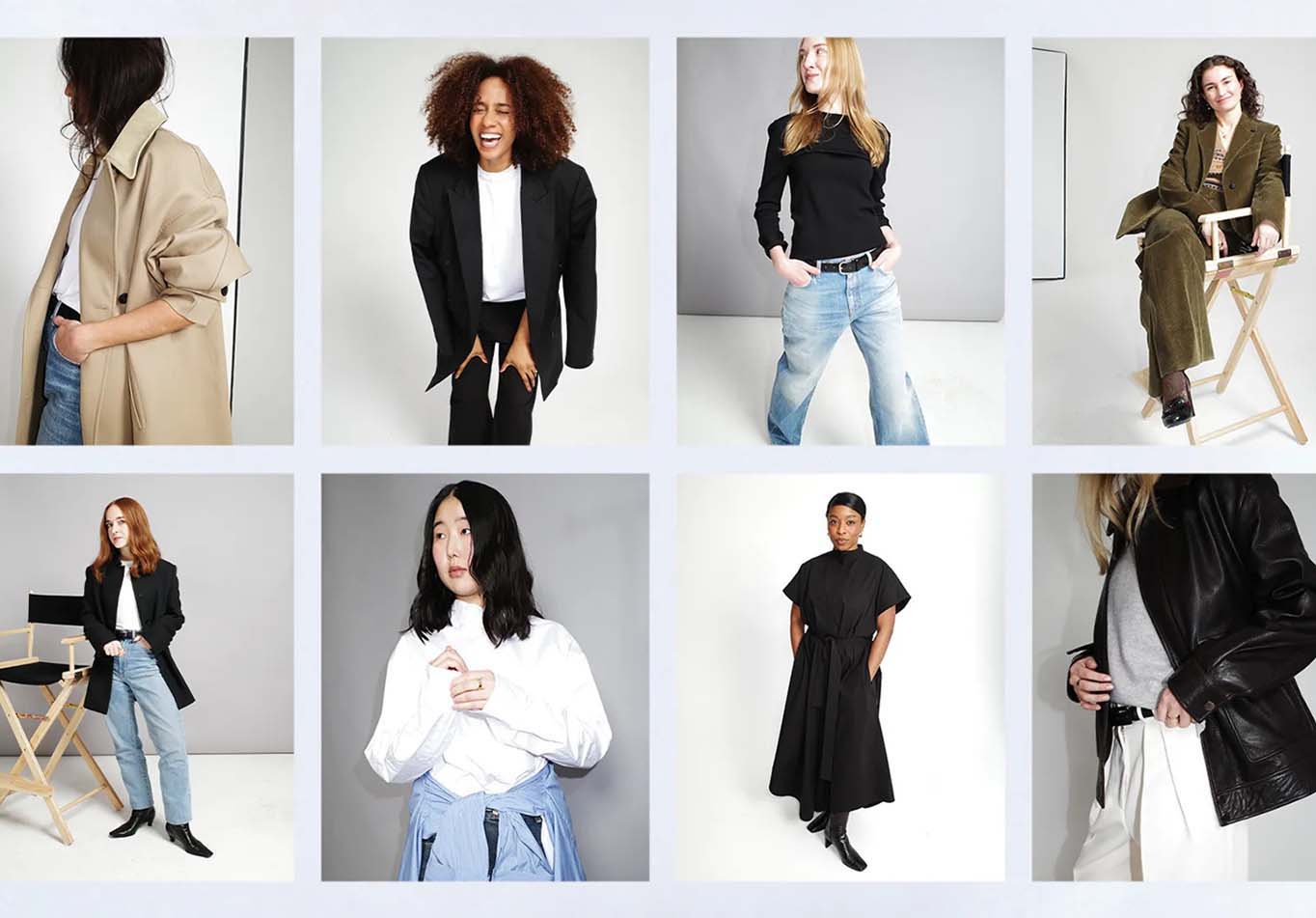
A well-cut white shirt, a pair of stable-fit jeans, or a quality knit may seem unremarkable on their own, yet together they quietly form the most consistent outline of a person’s wardrobe.
Trend Pieces Offer Excitement; Basics Offer Security
Trend-driven items satisfy the present moment:
they look good now, feel relevant now, and deliver instant emotional reward.
Basics, on the other hand, serve the long term:
they’re comfortable, easy to style, and dependable across different moods and settings.
There are many days—when time is tight, energy is low, or decision fatigue sets in—when reaching for basics feels instinctive. Not because they’re conservative, but because they’re reliable.
In dressing, excitement and security are two very different experiences. Basics excel at the latter.
Basics Are the Foundation of Personal Style
Style isn’t built from a few memorable statement pieces. It’s the result of long-term habits and repeated choices.
Through trying on, wearing out, and eventually letting go of clothes, it becomes clearer what truly works. And more often than not, that understanding comes from wearing basics.
For example:
- Whether structured lines or soft draping suit you better
- How much looseness you’re actually comfortable with
- Whether neutral colors make you feel more at ease
Basics function like a mirror. They don’t distract; they reveal the relationship between the body and the clothing. Once that foundation is stable, style has room to grow—without being pulled constantly by trends.
From a Cost-Per-Wear Perspective, Basics Make More Sense
When clothing is viewed as something meant for long-term use rather than one-off consumption, frequency matters.
Looking closely at which pieces are worn most often, the pattern is clear: most of them are basics. They may not be the cheapest items in the closet, but they tend to have the lowest cost per wear, the highest versatility, and the longest lifespan.
A well-made coat can be worn for years. A properly cut pair of trousers can adapt across seasons and occasions. In contrast, many highly designed pieces fade from rotation once the initial excitement wears off.
What Truly Sets Basics Apart Is Detail
The difference between good basics and forgettable ones is never about whether they have design—it’s about execution.
Details matter:
- Fabric quality and structure
- The way shoulders, collars, and cuffs are handled
- Proportion and length
- How naturally the garment sits on the body
Because basics lack decorative distractions, their flaws are more visible—and so are their strengths. A seemingly simple piece, when cut and constructed well, carries a noticeable sense of ease and polish. That’s why basics deserve time and discernment, not quick compromises.
A Stable Wardrobe Increases Styling Freedom
There’s a common concern that wearing basics too often leads to monotony. In practice, the opposite tends to be true.
When a wardrobe has a stable base, experimenting becomes easier. You know which pieces can anchor an outfit, which combinations are dependable, and how to recover if an experiment doesn’t quite work.
Basics make dressing feel manageable. And that sense of control is what allows creativity to exist.
Basics Are a Practical Expression of Slow Fashion
More people are beginning to reconsider consumption rhythms, especially when it comes to clothing.
Basics don’t aim for instant impact. They prioritize longevity and coexistence. This approach reflects a more measured mindset:
- Not chasing every trend
- Valuing wearability over novelty
- Respecting personal pace and lifestyle
When dressing shifts from constant self-replacement to supporting real life, the value of basics becomes unmistakable.
A Wardrobe Built to Last
A mature approach to dressing isn’t about resisting change—it’s about maintaining a stable core through it.
Basic pieces don’t compete for attention. Instead, they quietly form the structure that supports personal style. They don’t need repeated emphasis, yet they consistently do their job.
If a wardrobe is a long-term project, then basics are the part most worth investing in—again and again. They bring dressing back to a calmer, more sustainable place. And perhaps that’s where fashion holds its most lasting value.