Preface: Every Seasonal Change Is a Stress Test for the Skin
As a skincare and beauty blogger who has spent years researching skincare—and personally stepping into more than a few pitfalls—I can say this with confidence:
Seasonal transitions are hands down the easiest time for skin to “crash.”
No matter whether you have dry skin, oily skin, combination skin, or sensitive skin, once the season changes, skin issues tend to follow—redness, breakouts, itchiness, flaking, clogged pores, makeup not sitting right…
Sometimes it even makes you wonder:
“Did all my skincare suddenly stop working?”
Over time, I realized something important:
The problem isn’t that you’re not doing enough skincare—it’s that your skincare logic hasn’t changed with the season.
In this article, I want to systematically share the complete mindset and practical approach I’ve developed through years of trial and error during seasonal transitions.
No complicated routines, no product overload—just one goal:
Keeping your skin stable and drama-free during seasonal changes.
1. Why Does Skin Act Up So Easily During Seasonal Transitions?
Before talking about solutions, it’s important to understand one key question:
What exactly does seasonal change do to our skin?
1. A Double Shift in Temperature and Humidity
Seasonal transitions usually come with:
- Sudden temperature changes
- Significant shifts in air humidity
Your skin barrier often can’t adapt fast enough, leading to moisture loss and weakened defenses.
2. The Skin Barrier Is Most Fragile During This Time
The skin barrier is a “dynamic system.” During seasonal changes, your skin has to cope with:
- Environmental shifts
- Ongoing skincare habits
- Changes in sleep and diet
Once the barrier is compromised, every skin issue becomes amplified.
3. It’s Not That Your Skin Got Worse—Your Old Strategy Just Stopped Working
Most seasonal skincare disasters happen because:
You’re using last season’s routine to deal with a completely new environment.
2. The Golden Rule of Seasonal Skincare: Stabilize First, Improve Later
This is the most important lesson I learned after countless mistakes.
1. More Aggressive Skincare Is Not Better During Seasonal Change
I used to make a classic mistake:
As soon as seasons changed, I piled on active products—exfoliating acids, whitening serums, stronger anti-aging treatments.
The result?
My skin completely shut down.
That’s when I realized:
The core keyword of seasonal skincare is “stability,” not “upgrade.”
2. Active Skincare Needs a Buffer Period
From my experience:
- For about 2–3 weeks before and after a seasonal change
- The focus should be hydration, soothing, and repair
Only after your skin stabilizes should you slowly reintroduce actives.
3. Three Fundamental Adjustments I Always Make During Seasonal Changes
1. Cleansing: Gentle Over “Squeaky Clean”
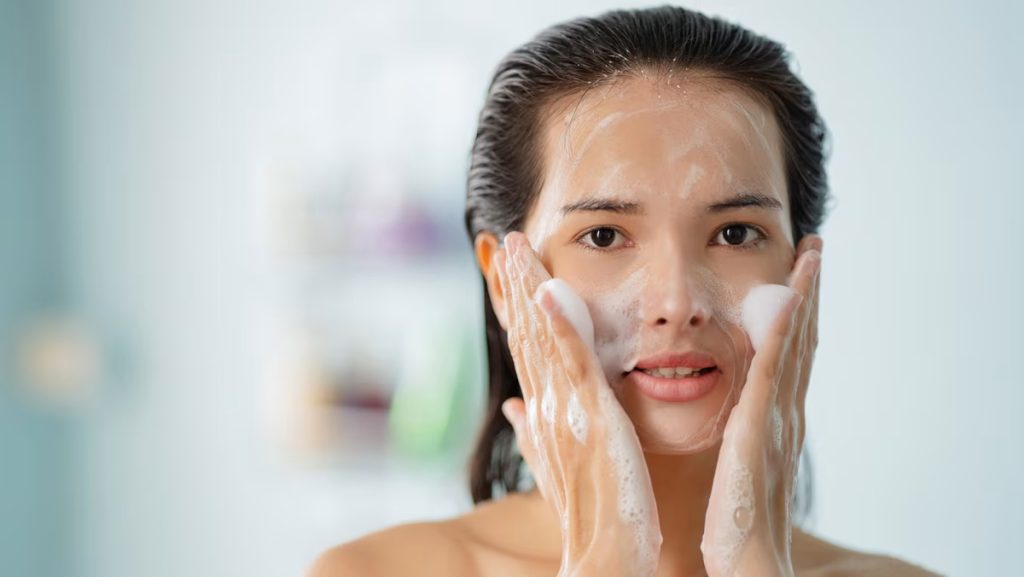
During seasonal transitions, I deliberately reduce cleansing intensity:
- Avoid harsh or soap-based cleansers
- In the morning, use water or a very gentle cleanser if needed
- At night, cleanse thoroughly once—no excessive rubbing
Once cleansing damages the barrier, no amount of skincare afterward can fully fix it.
2. Moisturizing: From “Hydration” to “Hydration + Retention”
If your skin feels dry during seasonal change, it’s often not because you lack hydration—but because moisture can’t stay in.
I pay close attention to whether products contain:
- Ceramides
- Squalane
- Cholesterol
Hydration plus moisture retention is what truly works.
3. Sunscreen Is Non-Negotiable—But Texture Matters
Let me emphasize this again:
Seasonal change does not mean you can skip sunscreen.
I simply adjust the texture:
- Spring/Summer: lightweight, sweat-resistant
- Fall/Winter: more moisturizing, stable film-forming
Choosing the right sunscreen alone can stabilize your skin by half.
4. Seasonal Skincare Tips by Skin Type
1. Dry Skin: Repair the Barrier, Don’t Just Add Oils
Dry skin during seasonal change often experiences:
- Tightness
- Flaking
- Makeup clinging
My approach:
- Reduce alcohol and strong actives
- Focus on richer creams
- Seal moisture at night when needed
2. Oily Skin: Oiliness ≠ Hydration Enough
The biggest misunderstanding for oily skin is:
More oil means you should strip more oil.
In reality, excess oil often signals dehydration.
I usually:
- Keep lightweight hydration
- Avoid over-exfoliation
- Reduce—not eliminate—oil-control products
3. Sensitive Skin: Seasonal Change Is the Time to Subtract
As someone who once struggled badly with sensitive skin, I know this well:
- Fewer products = safer skin
- Simpler formulas = lower risk
During seasonal transitions, I sometimes keep only:
- Cleanser
- Moisturizer
- Sunscreen
Stability always matters more than “glow” or “brightness.”
5. Easily Overlooked Details That Matter During Seasonal Skincare
1. Reduce Exfoliation Frequency
During seasonal change, I significantly cut back on:
- Physical exfoliation
- Acid treatments
Your stratum corneum is part of your barrier—damaging it now only makes things worse.
2. Expensive Products Aren’t Automatically Safer
Seasonal skin issues are often caused not by cheap products, but by:
- Overly complex formulas
- Too many overlapping actives
I prefer products that are familiar, stable, and already tested on my skin.
3. Skin Condition Matters More Than Routine Completion
When my skin feels off, I don’t hesitate to:
- Simplify my routine
- Pause certain products
Learning to “listen” to your skin is essential.
6. Lifestyle Is the Hidden Foundation of Seasonal Skincare
Skincare doesn’t stop at the bathroom sink.
1. Sleep Has a Huge Impact on Skin Stability

During seasonal transitions, I try to:
- Avoid staying up late
- Maintain consistent sleep schedules
- Reduce emotional stress
When sleep stabilizes, skin usually follows.
2. Light Eating Beats Supplements
During seasonal change, I consciously reduce:
- Spicy foods
- High sugar intake
- Fried foods
Drinking more water and eating more fruits and vegetables often does more than any skincare product.
7. What I Do When My Skin Has Already “Crashed”
If redness, breakouts, or stinging appear, my rule is simple:
Hit the brakes immediately.
I will:
- Stop all active products
- Simplify to basic hydration
- Give my skin at least 7–14 days to recover
Remember this:
When skin is uncomfortable, any “improvement” becomes a burden.
Conclusion: Seasonal Skincare Is About Respecting Your Skin’s Rhythm
These days, I’m no longer afraid of seasonal transitions.
Because I know this:
Skin isn’t fragile—it just needs to be treated correctly.
Seasonal skincare isn’t about adding more.
It’s about:
- Knowing when to pull back
- Knowing when to stabilize
- Knowing when to slow down
If you’re currently anxious about seasonal skin changes, I hope this guide helps you avoid unnecessary detours.
Let skincare return to its original purpose—
making your skin feel comfortable, stable, and safe.
Once you achieve that, “crashes” naturally become less and less frequent.