If you’ve ever felt your skin tighten right after cleansing in winter, had your makeup cake up, or noticed redness the moment cold wind hits your face, then we’ve probably fallen into the same skincare traps. I used to believe that piling on more “active” products would help my skin survive harsh weather, but it only made my skin more fragile. It wasn’t until I completely changed my skincare goals and focused on barrier repair and stability that my skin finally made it through winter in a calm, healthy state.
1. Gentle Cleansing Comes First: I’d Rather Not Over-Clean Than Damage My Skin
✔My Skincare Approach & Real Experience
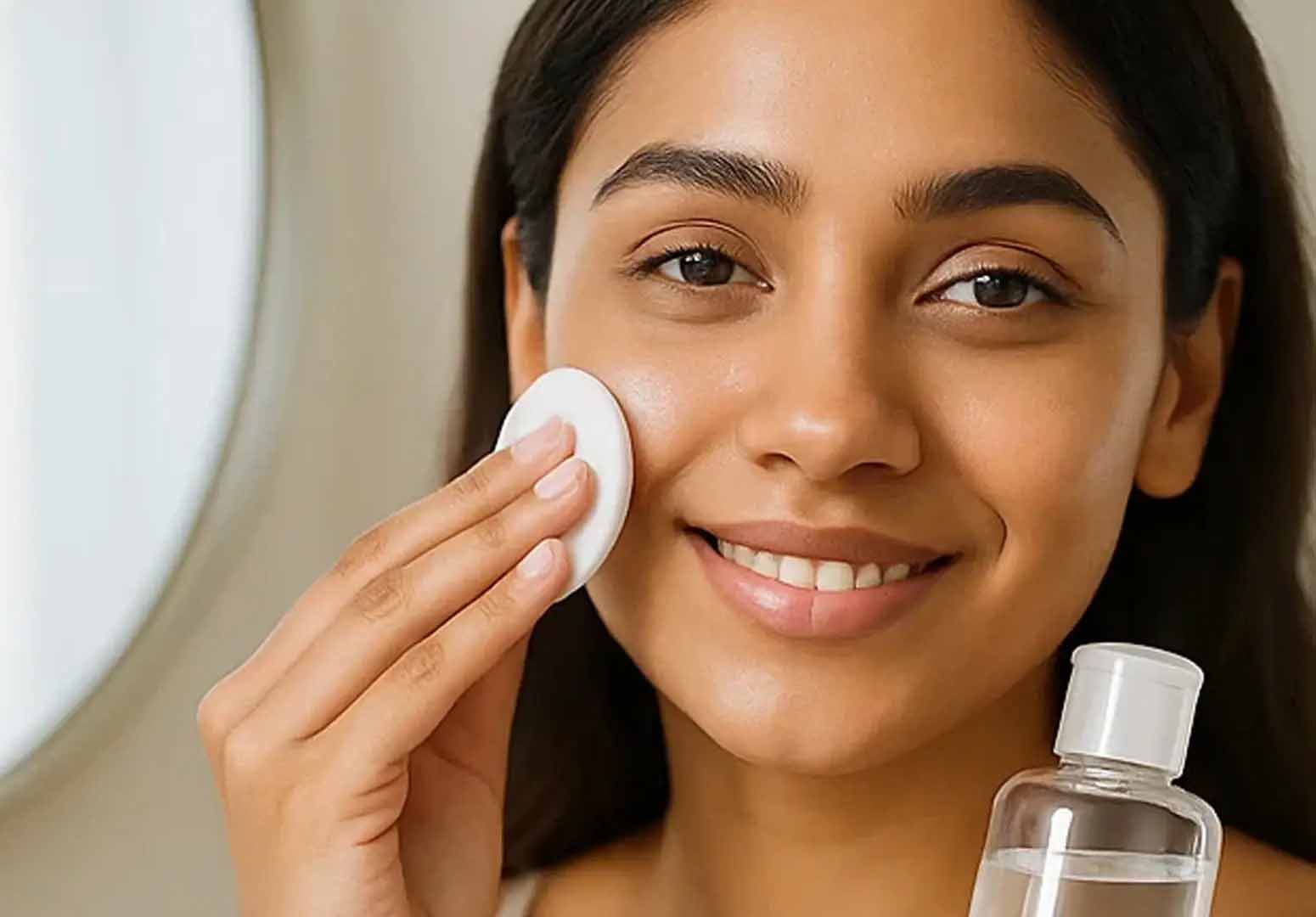
In winter, I only have one cleansing goal: protect my skin barrier. I no longer chase that “squeaky clean” feeling. What matters more to me is whether my skin feels soft after washing and whether there’s any tightness at all. My strategy is simple: in the morning, I usually use only a very gentle cleanser, and sometimes just lukewarm water. At night, if I’ve worn sunscreen or light makeup, I choose a low-foam, non-soap, low-irritation cleanser and avoid rubbing my face repeatedly.
I used to feel uneasy unless my face looked super clean and shiny after washing. But every winter, that habit led to constant flaking, especially around my nose and chin. After switching to gentler cleansers, the biggest change I noticed was that my skin no longer felt tight immediately after washing. It felt soft and slightly bouncy instead of dry and stiff. Over time, my skin also became much more tolerant of other products and stopped stinging or turning red so easily. That sense of stability honestly feels addictive.
✔Recommended Western Products
- CeraVe Hydrating Cleanser:It has a lotion-like texture and barely foams. It feels extremely gentle and leaves a slight protective feel on the skin. I rely on this as my main cleanser throughout the entire winter.
- La Roche-Posay Toleriane Gentle Cleanser:This one foams a bit more and has slightly stronger cleansing power. I use it on nights when I’ve worn sunscreen or light makeup. It still doesn’t strip my skin and works well for my redness-prone winter skin.
- First Aid Beauty Face Cleanser:Whenever my skin feels irritated or sensitive, I switch to this. I never worry that cleansing will make things worse when I use it — it’s my “safe choice” cleanser.
✔Small Tip
I pay close attention to water temperature in winter. I’d rather use slightly cool water than hot water. Hot water feels good in the moment, but it almost always makes dryness worse afterward. If your skin gets red easily after washing, adjusting water temperature alone can help a lot.
2. Change How You Hydrate: Small Layers Work Better Than Heavy Soaking
✔My Skincare Approach & Real Experience
In winter, I stopped doing frequent sheet masks or heavy soaking routines. Instead, I focus on layering light hydration and sealing it in quickly. My goal isn’t to make my skin feel instantly drenched, but to keep moisture in for longer. My routine is usually: apply a light hydrating serum or toner with my hands, press it in two or three times, then immediately move on to repair products or moisturizer to reduce moisture loss.
After switching to this method, I noticed that dryness developed much more slowly instead of hitting all at once. In heated offices, I used to feel uncomfortable dryness by mid-afternoon. Now that happens far less often. For me, long-lasting comfort is much more valuable than short-term plumpness.
✔Recommended Western Products
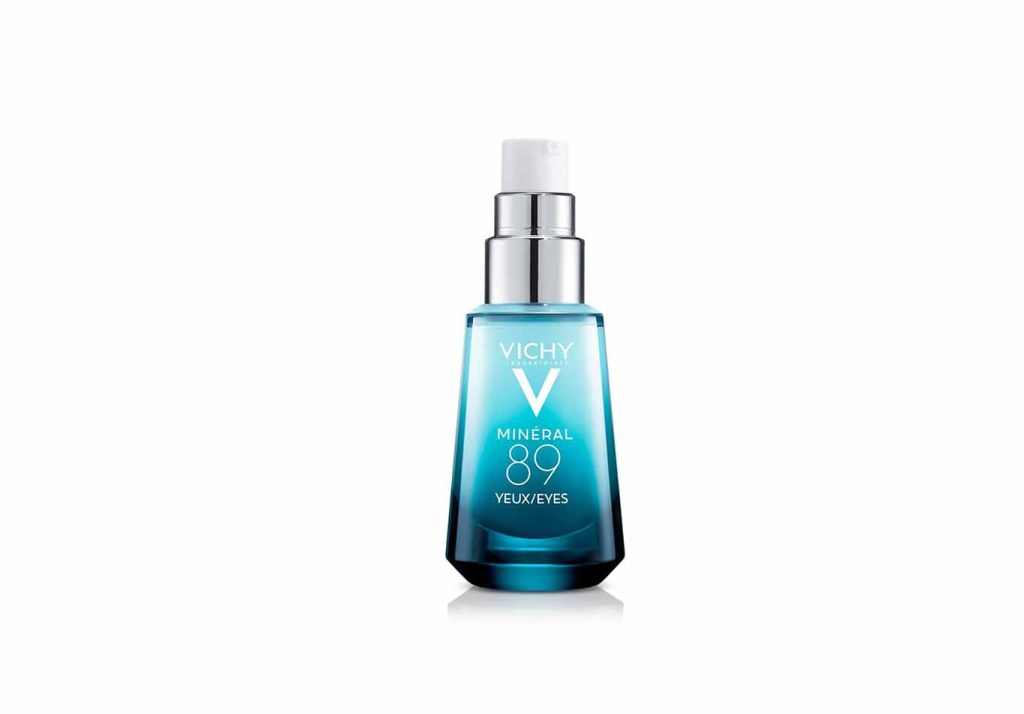
- Vichy Mineral 89 Hyaluronic Acid Serum:It has a very light gel texture and absorbs quickly. I often layer it twice without feeling sticky, then seal it with moisturizer. My skin looks noticeably plumper afterward, and it’s great before makeup.
- The Ordinary Hyaluronic Acid Serum:I prefer using this at night. It offers long-lasting hydration, and when layered with moisturizer, my skin still feels soft the next morning. It’s also very budget-friendly.
- Clinique Moisture Surge Serum / Gel:When I want something very lightweight but still hydrating, I go for this. It’s perfect for people who hate sticky textures.
✔Small Tip
Always apply hydrating products while your skin is still slightly damp, and seal them in with moisturizer right away. If you wait too long, moisture can evaporate and leave your skin even drier.
3. Repair Comes First in Winter — Anti-Aging Can Wait
✔My Skincare Approach & Real Experience
When the weather gets truly cold and dry, I intentionally lower the intensity of my anti-aging routine and shift my focus to barrier repair and inflammation control. That means I reduce or completely pause retinol and exfoliating acids, and instead use products with ceramides, panthenol, and squalane.
This change was honestly a turning point for my winter skincare. I used to think anti-aging could never be paused, but my skin just became weaker over time. Once I prioritized repair, redness became much less frequent, and that random stinging during seasonal transitions almost disappeared. Even though I don’t see dramatic firming effects, my skin looks smoother and healthier — which actually makes me feel like I look younger.
✔Recommended Western Products
- Estée Lauder Advanced Night Repair (ANR):This is my emergency product when my skin is unstable. It’s not heavy but feels deeply repairing. With long-term use, my skin’s tolerance clearly improved.;
- La Roche-Posay Cicaplast B5 Serum:Whenever my skin feels irritated or sensitive, this calms it down quickly. Most of the time, my skin looks much better the next day.
- First Aid Beauty Repair Serum:The formula is simple and great for sensitive phases. I often use this after late nights or during seasonal changes.
✔Small Tip
If you really want to keep anti-aging products in winter, reduce the frequency to once or twice a week and focus on repair the rest of the time. This helps prevent your skin from staying in a constant irritated state.
4. Choosing the Right Moisturizer Matters: Rich but Not Pore-Clogging
✔My Skincare Approach & Real Experience
My winter moisturizer standard is very clear: strong moisture-locking ability without clogging pores. I use lighter textures during the day and richer ones at night, but both must be barrier-friendly.
In the past, I used very heavy creams all day, which gave me clogged pores on my T-zone while my cheeks still felt dry. After separating day and night moisturizers, my skin became much more balanced. Makeup applies better in the morning, and at night I can actually feel the repairing effect.
✔Recommended Western Products
- La Roche-Posay Toleriane Moisturizer:Perfect for daytime. It doesn’t interfere with sunscreen or makeup, yet still provides enough moisture for me.
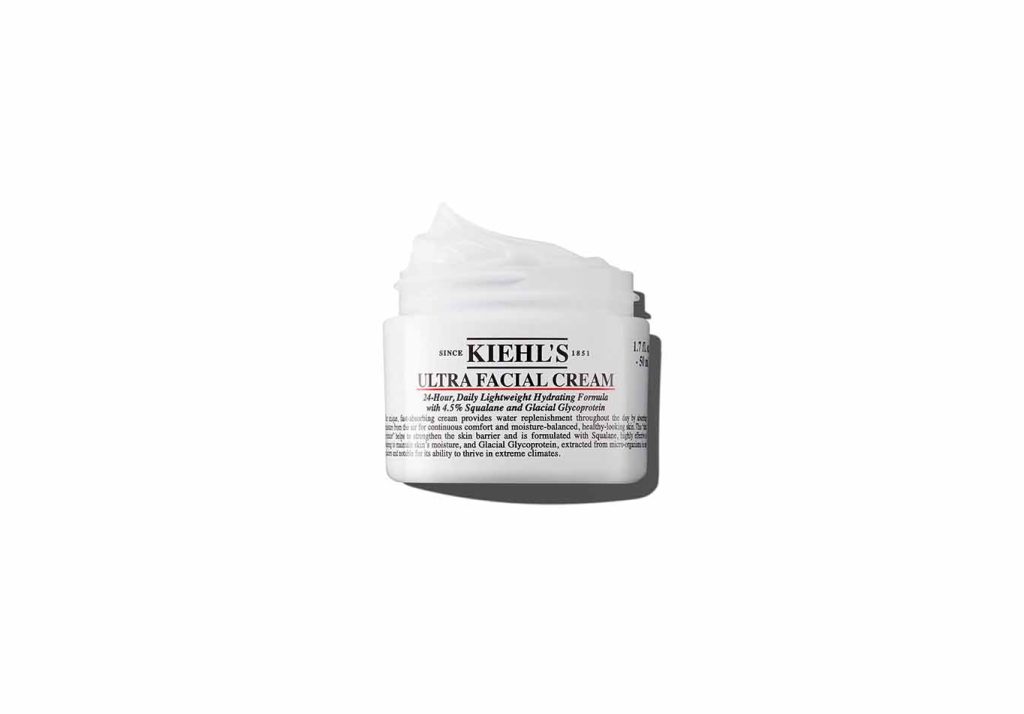
- Kiehl’s Ultra Facial Cream:This is my go-to night cream in winter. When I wash my face the next morning, I can clearly feel how soft my skin is.
- First Aid Beauty Ultra Repair Cream:When my skin is extremely dry, I use this as a thick night treatment. Flaking usually improves significantly by the next day.
✔Small Tip
Instead of applying a thick layer all at once, try two thin layers. It absorbs better and is less likely to clog pores.
5. Separate Day and Night Care — Let Your Skin Recover on Its Own Schedule
✔My Skincare Approach & Real Experience
I now clearly separate my goals: daytime skincare is about stability and makeup compatibility, while nighttime skincare focuses on repair and recovery. During the day, I keep layers minimal to avoid heaviness. At night, I allow richer products and sometimes even add a sleeping mask.
This rhythm makes my skin feel like it’s actually recovering instead of being constantly “managed.” My makeup lasts better during the day, and my skin feels softer and calmer when I wake up.
✔Recommended Western Products
- Day: Clinique Dramatically Different Moisturizing Gel,Lightweight with basic hydration — great under makeup.
- Night: Kiehl’s Ultra Facial Cream or First Aid Beauty Repair Cream,I rotate based on how dry or tired my skin feels that day.
✔Small Tip
Gently massaging your moisturizer for one to two minutes at night improves absorption and makes your skin look smoother the next morning.
6. Long-Term Stability Matters More Than Short-Term Results
✔My Skincare Approach & Real Experience
My winter skincare goal is very realistic: if my skin doesn’t fall apart during the entire season, I’m already satisfied. I avoid switching my whole routine at once. If something needs adjustment, I change only one step — like just the serum or just the moisturizer — and give my skin time to adapt.
This stable rhythm greatly reduced my skincare anxiety. I no longer stare at the mirror looking for problems every day. I focus more on comfort and overall health. For me, staying calm and balanced through the harshest season is already a huge success.
✔My “Safe for Winter” Routine
- Cleanser: CeraVe Hydrating Cleanser
- Hydration: Vichy Mineral 89
- Repair: Estée Lauder ANR or La Roche-Posay B5
- Moisturizer: La Roche-Posay Toleriane (day), Kiehl’s Ultra Facial Cream (night)
This combination rarely fails me and works well for anyone who wants a stable winter routine.
✔Small Tip
If your skin suddenly gets worse, don’t replace everything at once. Go back to the basics — cleanser and moisturizer — until your skin calms down, then slowly add steps back in. It really saves a lot of trial and error.
Where I Usually Buy Western Skincare Products
Since I mainly use Western brands, I’ve settled into a few reliable shopping platforms:
- Sephora (online or in-store): Best for mid- to high-end brands, lots of new releases, and reliable after-sales service.
- Lookfantastic: Great discounts and perfect for stocking up on daily essentials like cleansers and creams.
- Cult Beauty: More ingredient-focused and carries many professional and niche brands.
- Official Brand Websites: Brands like CeraVe, The Ordinary, and First Aid Beauty often have seasonal sets and good value bundles.
For me, winter skincare has never been about chasing viral products. It’s about understanding my own skin’s rhythm and setting the right goals. As long as the direction is right, even the coldest and driest season can be spent with calm, comfortable, and stable skin. I hope my personal experience helps you make fewer mistakes and feel more confident about your winter skincare routine.