Over the past few years, I have always believed that owning a website is one of the most important steps to building a strong online presence.Whether it is a personal blog, a business website, or a long-term content platform, a website remains one of the most stable and valuable digital assets.
Compared with relying entirely on social media platforms or third-party content platforms, having my own website gives me more control over my content, allows me to optimize the user experience more freely, and helps me gradually build my own brand.However, before I actually started building websites, I experienced many challenges and uncertainties.
At first, I thought the hardest part of creating a website would be designing pages, writing content, or choosing the right theme. But as I gained more experience, I gradually realized that the factors that truly determine a website’s long-term performance are often the technical foundations behind the scenes — domain names, servers, web hosting, security configuration, and ongoing maintenance.
A visually attractive website means very little if it loads slowly, frequently goes offline, or lacks reliable server support. A poor technical foundation can make it difficult to attract and retain visitors, no matter how great the content is.
After testing different website-building solutions over the years, I gradually developed my own workflow for creating and managing websites. Among all the elements involved, web hosting has always been one of the most important parts.In this article, I want to share how I built websites from scratch and why I eventually chose AccuWebHosting as my hosting solution.
1. Choosing Reliable Web Hosting: The First Step Toward a Stable Website
When I created my first website, I made a mistake that many beginners make — I focused too much on the appearance of the website while overlooking the importance of the server behind it.Later, I realized that web hosting is essentially the foundation of a website.
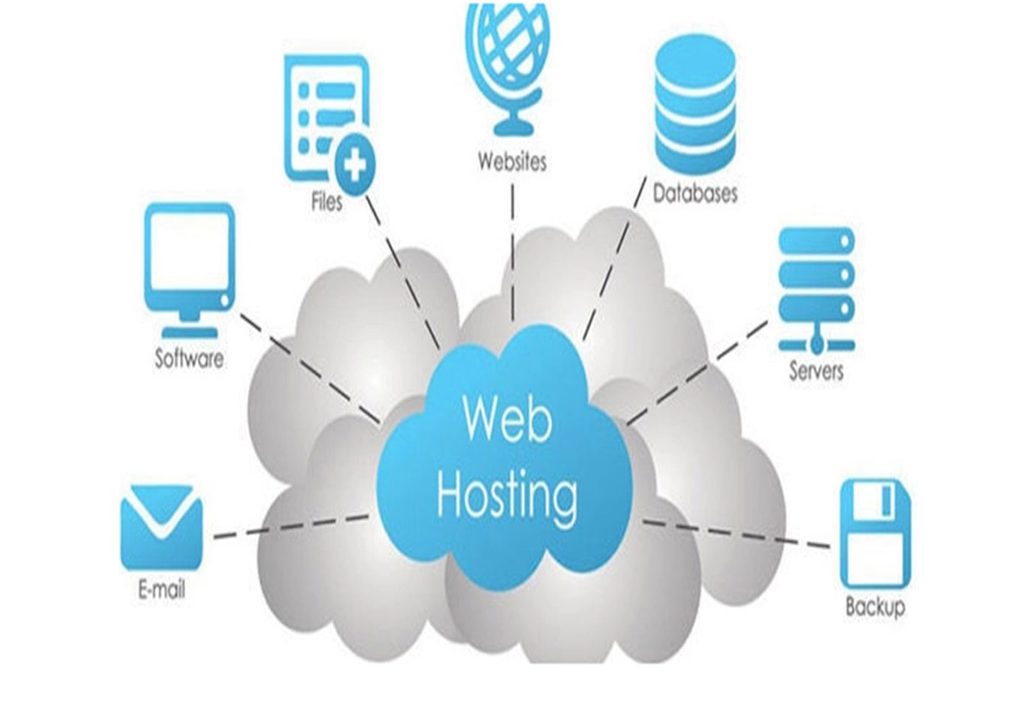
Simply put, all website files, images, databases, and backend applications need to be stored on a server. Whenever someone visits my website, the server needs to process the request quickly and deliver the content smoothly to the visitor.That means a good hosting service affects not only whether a website can stay online, but also:
• Page loading speed
• User experience
• Website stability
• Search engine performance
• Future scalability
When choosing a hosting provider, I usually pay attention to several important factors.The first thing I consider is server performance.As my website grows, more articles, images, and features are added. All of these elements require server resources. If the hosting environment is not powerful enough, even a well-designed website can experience slow loading speeds.
The second factor is reliability.For a website that I plan to operate for years, stability is much more important than simply choosing the cheapest option. I do not want visitors to encounter failed loading attempts or unavailable pages when accessing my website.
The third factor is scalability.A new website may not receive much traffic at the beginning, but as content grows and more visitors arrive, the hosting environment needs to support that growth smoothly instead of forcing me to rebuild everything from scratch.
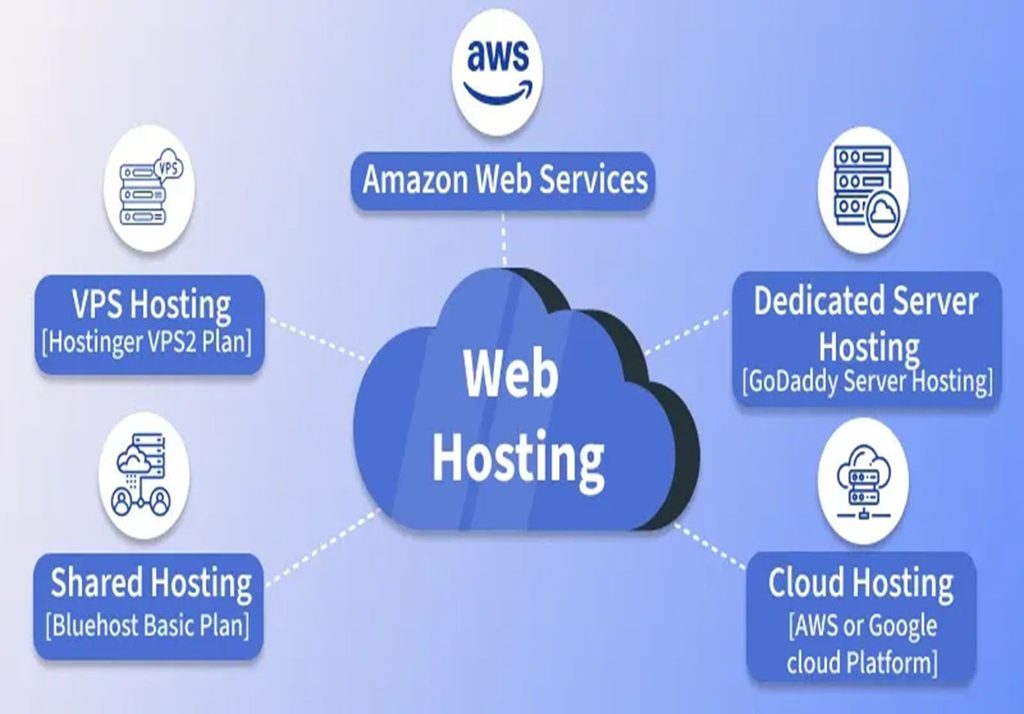
While searching for a suitable hosting provider, I started paying attention to AccuWebHosting.It offers multiple hosting solutions, including standard Web Hosting, WordPress Hosting, VPS Hosting, and more advanced server solutions, allowing websites to upgrade according to their changing needs.
For someone building a website from the beginning, I believe this flexibility is extremely important.A website rarely grows overnight.At first, it may only be a personal blog.Later, it can become a professional content platform.Eventually, it may develop into a complete business website.If a hosting provider can grow together with the website, it can significantly reduce the trouble and cost of future migrations.
2. My WordPress Website Building Experience: Spending More Time on Content Instead of Technical Maintenance
As someone who has long been involved in writing and managing websites, I place a high value on content creation efficiency. In the past, I experimented with complex website-building methods that required me to handle numerous technical details myself—such as server configuration, software installation, and various plugin compatibility issues.
While those methods offered greater flexibility, the learning curve was steep for anyone wanting to get a site up and running quickly. Eventually, I shifted my focus to WordPress. Its greatest advantage is that it allows me to dedicate more time to the content itself rather than constantly troubleshooting technical issues. With WordPress, I can rapidly create pages, customize the design using various themes, install plugins for SEO, caching, and security, and extend site functionality as needed.
However, WordPress performance relies heavily on the hosting environment. If the server isn’t optimized for WordPress, site speed can suffer, even with numerous plugins installed. That is why I took an interest in AccuWebHosting’s WordPress hosting service.
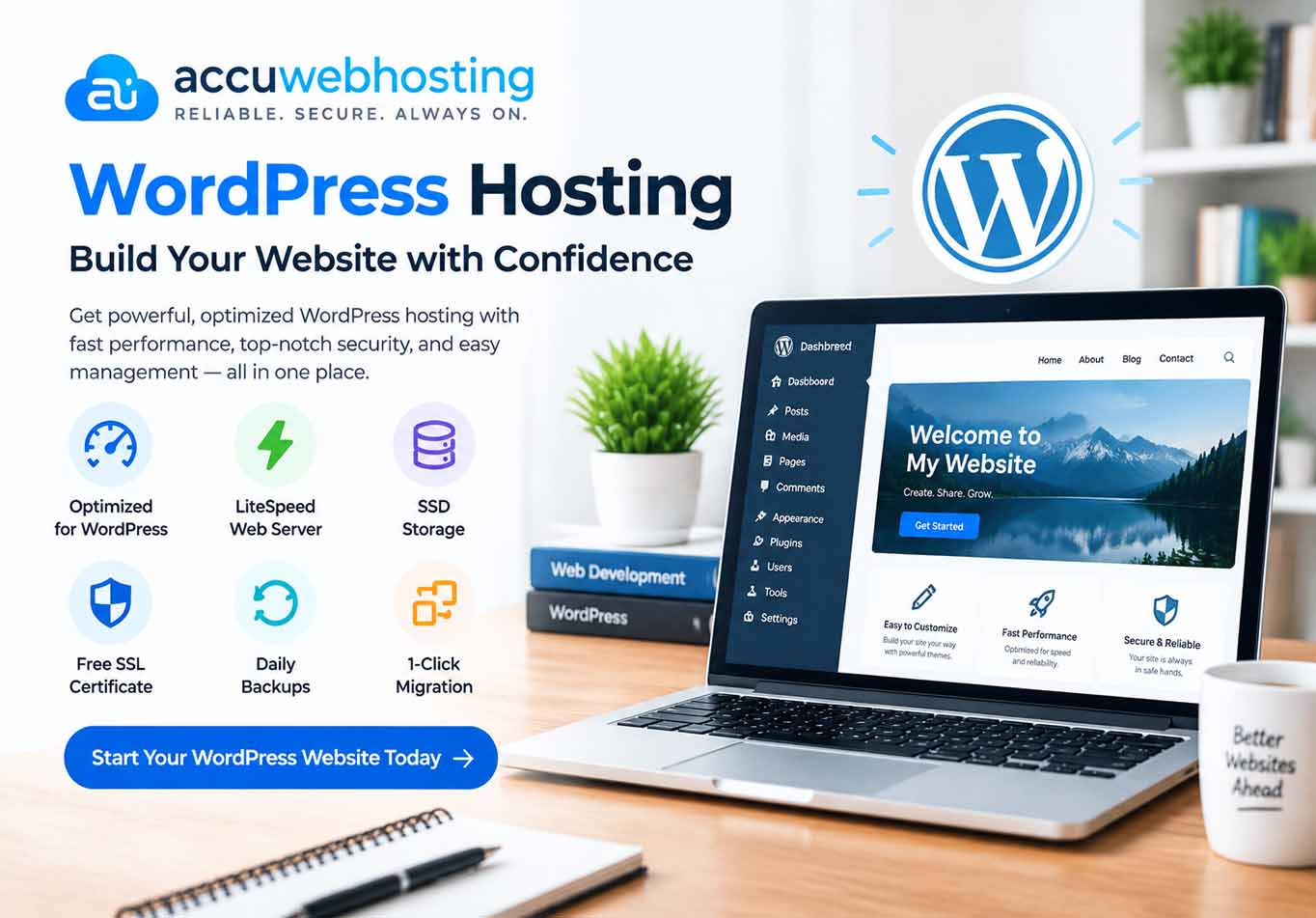
It offers a hosting environment specifically optimized for WordPress, featuring LiteSpeed Web Server, SSD storage, free SSL, daily backups, and WordPress migration support. In terms of practical use, I focus on a few key areas:
Ease of management: For site operators, the backend management experience is crucial. I don’t want to have to navigate complex server configurations every time I need to tweak a setting. A clear control panel allows me to quickly manage site files, set up databases, configure email accounts, and monitor site status.
Scalability: As a site grows from a simple blog to something with more content, I need the hosting environment to accommodate increased resource demands.
AccuWebHosting offers various tiers of WordPress hosting plans—ranging from options suitable for basic sites to upgraded plans designed for multiple sites and high-traffic needs. For beginners building their first website, I believe this tiered approach makes a lot of sense.
3. Website Speed Optimization: How Server Performance Affects User Experience
While running a website, I gradually realized that site speed is an issue often underestimated. When first building a site, many people pour their energy into visual design—selecting attractive themes, crafting beautiful pages, and adding rich imagery. However, once the site goes live, access speed often becomes a critical factor influencing the user experience.
I encountered similar issues myself. When I first started, I used basic hosting plans. Everything seemed fine when the content was minimal, but as the number of articles and images grew and traffic increased, problems began to emerge: page load times slowed down, backend operations became sluggish, and uploading content took significantly longer.
These issues severely hampered my efficiency as a site operator. This was particularly true for a site requiring regular content updates; I needed to access the backend daily to edit articles, upload images, and tweak pages. Unstable server response times noticeably dragged down my productivity.
One of the reasons I became interested in AccuWebHosting is because of its performance-focused hosting features.Some of the technologies that caught my attention include:
• SSD storage to improve data access speed
• LiteSpeed Web Server to enhance website performance
• Caching optimization to reduce repeated loading pressure
• CDN support to improve access speed for visitors in different regions
For many beginners, these technical terms may seem complicated. However, after years of managing websites, I understand how much these improvements can affect daily operations.Website speed does not only influence visitor satisfaction — it also affects overall website performance.
When visitors open a website and pages load quickly, they are more likely to continue reading, explore additional pages, and engage with the content.
On the other hand, if a website takes too long to load, visitors may leave before they even see the content, regardless of how valuable that content is.That is why I believe performance optimization should be one of the most important considerations when choosing a hosting provider.
4. Website Security and Data Backup: The Most Important Things After Launching a Website
Many beginners believe that launching a website means the hardest part is finished.However, based on my experience, the real work begins after the website goes live.Every website faces potential challenges over time, including Data loss,Unauthorized access,Software vulnerabilities,Incorrect configuration changes,Plugin conflicts
As a website accumulates more original content, security becomes increasingly important.I have spent countless hours creating articles, organizing content structures, and improving website pages. Losing that work because of server issues would not only affect my website operation but also damage the long-term value I have built.
That is why security and backup features have become essential factors when I evaluate hosting services.AccuWebHosting provides security-related features such as SSL certificates, website protection, backup support, and malware protection, which are valuable for long-term website management.
Among these features, backup is something I personally consider extremely important.In the past, I experienced situations where website problems occurred after plugin updates. Although I was eventually able to solve those issues, the experience taught me an important lesson:
A website should not rely only on manual maintenance. It also needs reliable protection systems.With automatic backup support, unexpected problems become much easier to handle because I can restore website data more efficiently and reduce downtime.
For personal blogs, small business websites, and growing online projects, I believe this type of protection is extremely valuable.A website’s true value is not only in its current appearance. It comes from years of accumulated content, user data, and digital assets.

5. Growing Your Website: From Personal Blog to Business Platform
In my opinion, a great hosting service should not only meet the needs of a website at its beginning stage.A website usually goes through different stages of growth.At the beginning:It may only be a simple personal blog.Later:The number of articles increases, traffic grows, and more features may be added.Eventually:The website may require advanced functions such as membership systems, online stores, or customized applications.
If the hosting environment cannot support this growth, migrating to another provider later can become complicated and time-consuming.That is why I appreciate the variety of solutions offered by AccuWebHosting.
For beginners who are just starting their first website, Web Hosting or WordPress Hosting can be a suitable choice.These solutions work well for Personal blogs,Content websites,Small business websites.
As the website grows, upgrading to VPS Hosting becomes an option.A VPS provides more dedicated resources and greater control, making it suitable for Websites with increasing traffic,Projects requiring more server customization,Developer-focused applications.
For larger websites or businesses with higher requirements, Dedicated Server solutions provide a more powerful hosting environment where the entire server is dedicated to a single website or project.This type of upgrade path is one of the things I value most.
Building a website is not a one-time project. It is a continuous process of growth and improvement.I prefer working with a hosting provider that can support my website through different stages instead of forcing me to migrate every time my needs change.
My Website Building Advice: Focus on Long-Term Value, Not Just Price.After years of building and managing websites, I have learned that creating a successful website requires much more than attractive design and quality content.
The technical foundation behind the website is equally important.If I summarize my website-building experience, there are several principles I always follow.First, define your website goals clearly.Before starting, understand what you want your website to achieve.Is it:A personal blog?A professional portfolio?A business website?An online platform?Having a clear goal helps you choose the right tools and hosting solution.
Second, choose the right website platform.For most beginners, WordPress remains one of the most flexible and reliable options available.It provides enough customization options while keeping the website-building process accessible.
Third, choose reliable hosting.Hosting is the foundation of website operation.It affects:Website speed,Security,Stability,Future scalability
Finally, remember that launching a website is only the beginning.Long-term success requires continuous optimization, security management, performance improvements, and regular maintenance.
Throughout my website-building journey, my biggest impression of AccuWebHosting is that it provides more than just basic website storage.It offers hosting solutions designed for different stages of website growth.From launching my first website to eventually upgrading server resources, having a complete hosting ecosystem reduces many technical concerns.
If you are planning to create your first website, I recommend thinking beyond the question,“Which hosting plan is the cheapest?”Instead, consider,“Can this hosting service support my website’s growth over the next few years?”A valuable website requires a stable technical foundation.And choosing a reliable hosting provid.