Many people with garages, workshops, or small work areas face such problems: the number of tools keeps growing, but the available space does not. Drills, screwdrivers, wrenches, measuring tools, and small accessories slowly start to pile up. Eventually, finding the right tool can take more time than actually completing the task.
I have experienced this problem myself. The tools were still there, but without a proper storage system, my workflow became much less efficient. Over time, I learned that the key to small workshop tool storage is not buying the largest cabinet available. Instead, it is about giving every tool a fixed place and making sure everything can be accessed quickly when needed.
Below are several practical tool storage solutions for home garages, small workshops, and DIY areas, along with some representative products that can help improve tool organization.
1. Use Wall-Mounted Tool Systems: Keep Frequently Used Tools Visible
For limited workspaces, wall-mounted tool storage systems are often one of the most effective solutions.
Unlike storing every tool inside drawers or boxes, a wall system keeps commonly used tools visible while preventing work surfaces from becoming crowded.
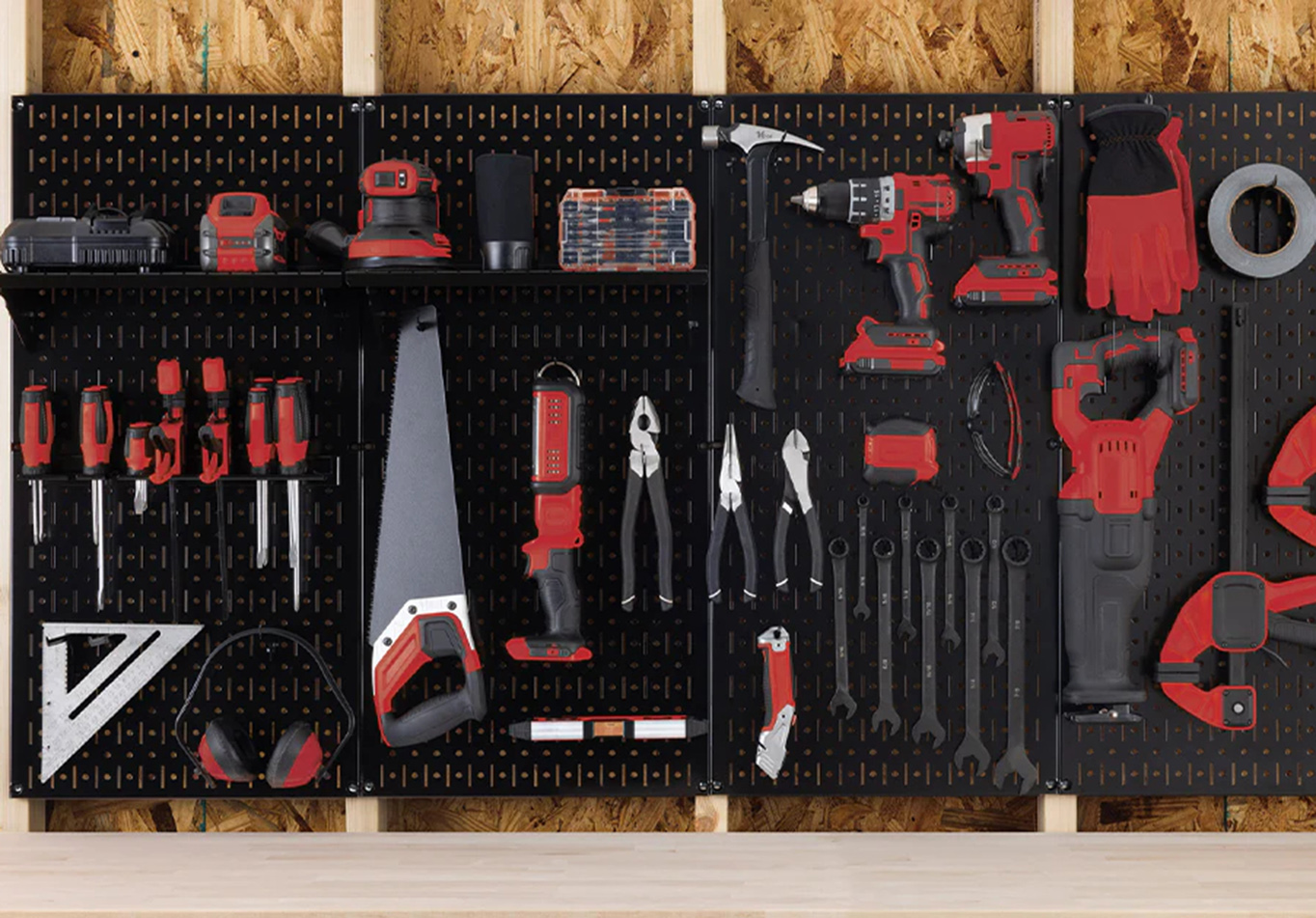
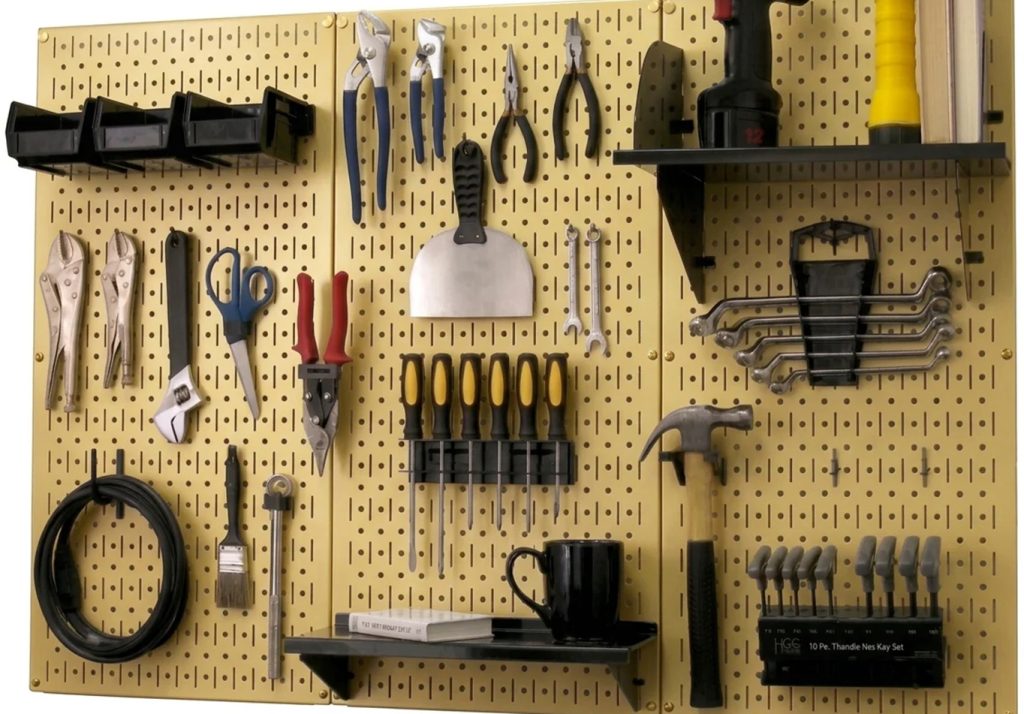
Wall Control Metal Pegboard: Flexible Wall Tool Storage
Wall Control Metal Pegboard is a practical tool hanging system designed for home garages and small workshops.
It uses a metal structure, making it stronger and more durable than many traditional plastic pegboards. It can support a wide range of hand tools while allowing users to customize their tool layout.
Key features:
● Visible tool organization:
Screwdrivers, pliers, wrenches, and other frequently used hand tools can be placed directly on the wall, reducing the time spent searching.
● Adjustable hooks:
The hook positions can be changed according to different tool sizes, making it easier to reorganize your workspace.
● Space-saving design:
It makes better use of wall space and reduces the amount of floor and workbench space occupied by tools.
For people who regularly use hand tools, this type of system can significantly improve workflow efficiency.
2. Choose Compact Tool Cabinets: Protect Tools and Improve Organization
Many people assume that a larger tool cabinet is always better. However, in a small workspace, oversized cabinets may take up valuable room without actually improving tool management.
A more practical choice is a compact cabinet with multiple drawers and dedicated storage areas for different types of tools.
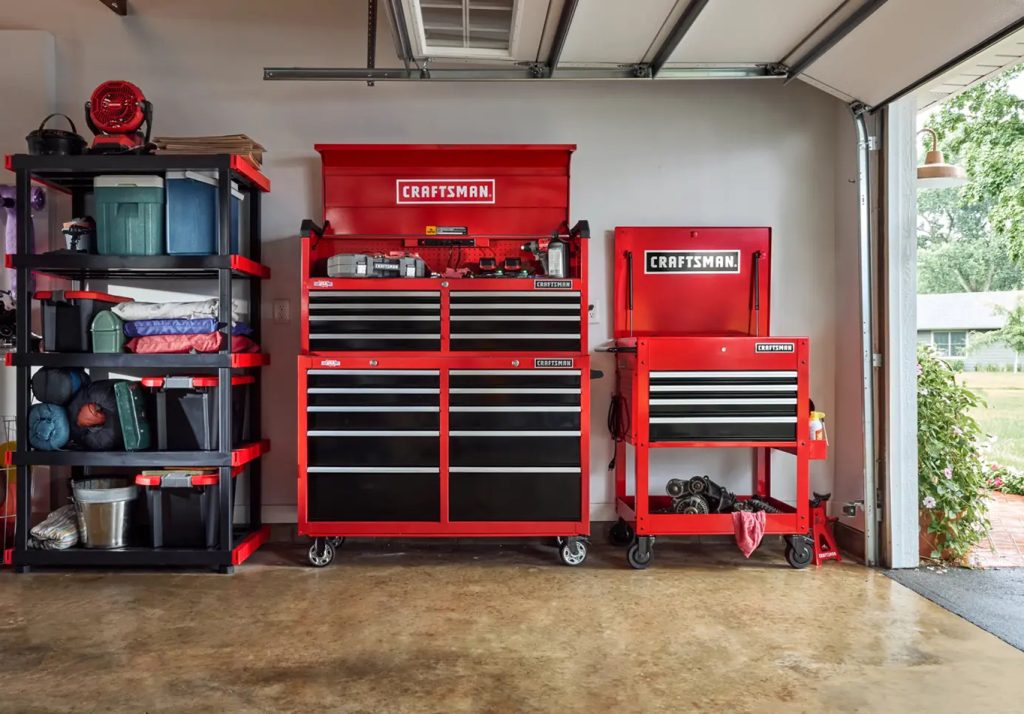
Craftsman Tool Chest: A Practical Choice for Home Workshops
The Craftsman Tool Chest is a popular storage solution among DIY enthusiasts.
It provides multiple drawers in different sizes, allowing users to organize:
● Hand tools
● Batteries and chargers
● Small repair accessories
● Measuring equipment
Main advantages:
● Multiple drawers:
Different tools can be stored separately by category, preventing everything from becoming mixed together.
● Protective storage:
Closed drawers help protect tools from dust, dirt, and workshop debris.
● Stable work surface:
The top area can be used as a temporary workspace for simple repairs or assembly tasks.
For people with a fixed work area, a tool cabinet is not only a place to store equipment but also an important part of creating an efficient workflow.
3. Use Modular Tool Boxes: Ideal for Portable Tool Storage
If your tools often need to be moved from a garage to different work locations, traditional tool boxes may not provide enough flexibility.
Modular tool boxes allow users to combine different storage units according to their projects while keeping tools protected and easy to transport.
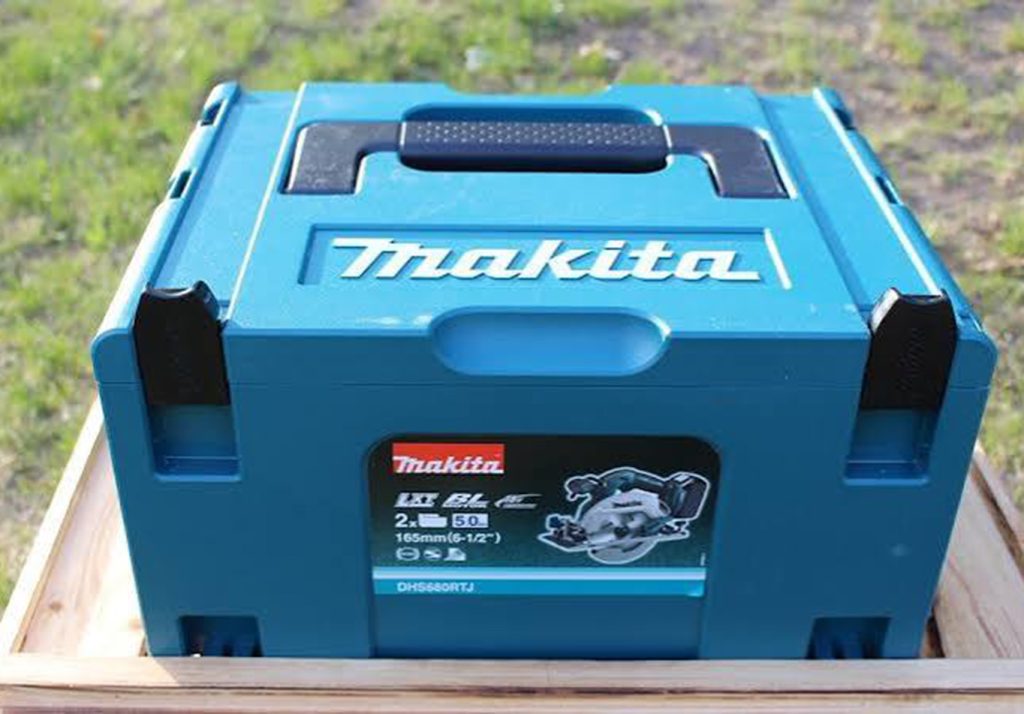
Makita MAKPAC: Professional Modular Tool Storage Solution
The Makita MAKPAC series is a widely used modular storage system among power tool users.
It is especially suitable for storing:
● Drills
● Batteries
● Chargers
● Compact power tools
Main features:
● Stackable system:
Multiple boxes can be stacked and connected, allowing users to expand storage according to their tool collection.
● Strong protection:
The durable exterior helps reduce damage caused by impacts during transportation.
● Portable design:
It is suitable for professionals and DIY users who frequently carry tools between locations.
For repair workers, contractors, and serious DIY enthusiasts, modular tool boxes make transporting and managing tools much easier.
4. Use Drawer Storage Systems for Small Tool Accessories
In many cases, the biggest problem with tool organization is not storing large equipment but managing small accessories.
Examples include:
- Screws
- Nuts
- Washers
- Drill bits
- Small connectors
When these items are stored together in one container, finding the correct piece can become frustrating and time-consuming.
Akro-Mils Storage Cabinet: Small Parts Organization Solution
The Akro-Mils Storage Cabinet uses multiple transparent drawers, making it ideal for storing small tool accessories.
Main advantages:
● Clear drawers:
The transparent design allows users to quickly identify contents without opening every drawer.
● Small compartment organization:
Different sizes of parts can be separated and stored individually.
● Easy access:
Users can quickly retrieve small components without searching through an entire toolbox.
For anyone who regularly performs repairs or DIY projects, organizing small parts properly can greatly improve efficiency.
5. Create a Foldable Work Area: Combine Storage and Workspace
One of the biggest challenges in a small workshop is that storing tools often leaves little room for actual work.
A foldable workspace can solve this problem by providing a temporary area for repairs and assembly.
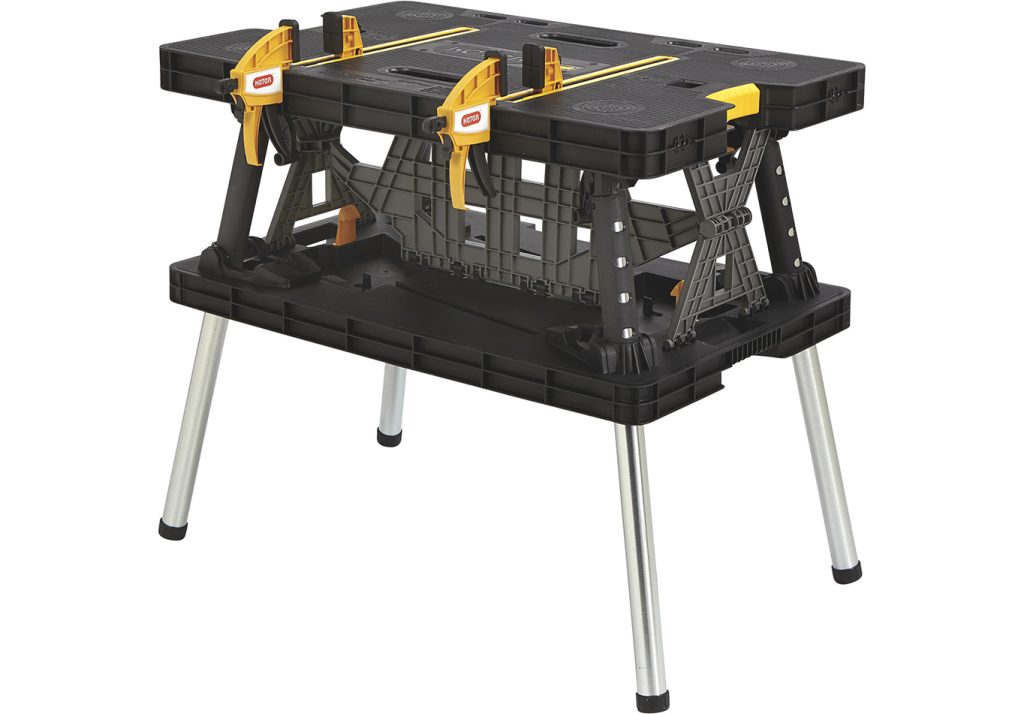
Keter Folding Work Table: Flexible Mobile Work Platform
The Keter Folding Work Table is a practical option for home DIY users who need a portable working surface.
It can be unfolded when needed for:
- Tool placement
- Part assembly
- Basic repairs
Main features:
● Foldable design:
It can be stored away when not in use, reducing space requirements.
● Portable structure:
The table can be moved depending on the project location.
● Practical workspace:
It provides a stable surface for working with tools and components.
This type of solution is especially useful for people who do not have a dedicated workshop but still enjoy DIY projects.
My Recommendations: How to Plan Tool Storage for Different Spaces
Based on my experience, the most important part of small workshop tool storage is understanding how often each tool is used, rather than simply buying more storage equipment.
Small Garage:
Recommended combination:
● Wall-mounted tool system
● Compact tool cabinet
● Modular tool boxes
Keep frequently used tools within easy reach, while less frequently used equipment can be stored in closed cabinets.
Small DIY Workspace:
Recommended combination:
● Compact drawer cabinet
● Small parts organizers
● Foldable work table
The goal is to reduce unnecessary tools and accessories covering the workspace.
Frequently Transported Tools:
Recommended combination:
● Modular tool boxes
● Dedicated tool cases
The priority should be protecting tools while making transportation easier.
Better Tool Storage Creates a More Efficient Workspace
Tool storage is not simply about putting tools into boxes. It is about creating a practical system that improves how tools are managed, protected, and accessed.
With the right storage methods, even a small workspace can become more efficient by:
● Reducing the time spent searching for tools
● Protecting equipment from damage
● Improving repair and DIY efficiency
● Creating a safer working environment
Whether you have a small home workshop or a professional repair area, giving every tool a dedicated place can help you create a more organized and productive workspace, even when space is limited.