As someone who has always been meticulous about skincare, I know how overwhelming it can be to pick the right body lotion. Walking down the beauty aisle, you are confronted with countless bottles claiming “hydrating,” “nourishing,” “for sensitive skin,” or even “dermatologist-tested.” But how do you really know if the lotion you’re about to slather on your body is genuinely good for your skin? Over the years, I’ve learned that the secret isn’t in the flashy packaging or catchy slogans—it’s in the ingredients. Today, I want to share how I personally determine whether a body lotion is worth investing in, and hopefully, this guide will help you make informed choices for your own skincare routine.
1. Understanding the Basics of Ingredients
The first step in evaluating a body lotion is understanding what goes into it. Most lotions are composed of three main types of ingredients: emollients, humectants, and occlusives.
- Emollients soften the skin and help smooth rough patches. Common examples include shea butter, jojoba oil, and squalane. Personally, I always check if the lotion contains a balance of lightweight and richer emollients because they can hydrate without feeling greasy. I remember trying a lotion with only mineral oil; it left my skin slippery but didn’t feel nourishing—so I now avoid products that rely heavily on it.
- Humectants attract water to your skin. Ingredients like glycerin, hyaluronic acid, and aloe vera fall into this category. A lotion with good humectants ensures my skin feels plump and soft even hours after application. When a product contains glycerin near the top of the ingredient list, I know it will give my skin immediate hydration, which is crucial during the winter months.
- Occlusives form a protective barrier that locks moisture in. Ingredients like petrolatum, dimethicone, or lanolin are common occlusives. Personally, I prefer natural occlusives like shea butter over petrolatum because they feel less synthetic and provide long-lasting hydration without heaviness.
When I first started reading ingredient labels, these terms seemed intimidating, but now I instinctively recognize them. A body lotion that balances these three types of ingredients usually makes the cut for my skincare shelf.
2. Avoiding Harmful Ingredients
While looking for good ingredients is important, avoiding harmful ones is equally crucial. Over the years, I’ve realized that even the most luxurious lotion can cause problems if it contains irritants or sensitizing chemicals.
- Fragrance and parfum: Many body lotions contain synthetic fragrances to make them smell pleasant. Unfortunately, these can trigger allergies or irritate sensitive skin. I once purchased a lotion with a strong floral scent, and after a few days, my skin developed red patches. Now, I opt for “fragrance-free” or “unscented” products for everyday use.
- Parabens and preservatives: Parabens are used to prevent bacterial growth, but some studies suggest long-term exposure may have hormonal effects. While research is ongoing, I personally prefer lotions that use gentler preservatives like phenoxyethanol or ethylhexylglycerin.
- Sulfates: Commonly found in cleansers, sulfates can sometimes be present in body washes or hybrid lotion-gel products. They strip the skin of natural oils, so I avoid lotions containing sodium lauryl sulfate.
- Alcohol: While some alcohols (like cetyl or stearyl alcohol) are safe and moisturizing, others, such as denatured alcohol or isopropyl alcohol, can dry the skin. I learned this the hard way when a supposedly “hydrating” lotion actually made my skin tight and flaky after a week of use.
By carefully scanning the ingredient list, I can usually tell if a lotion is safe for daily use. It may take a few minutes to read labels in the store, but I’ve learned it’s worth it to prevent long-term skin issues.
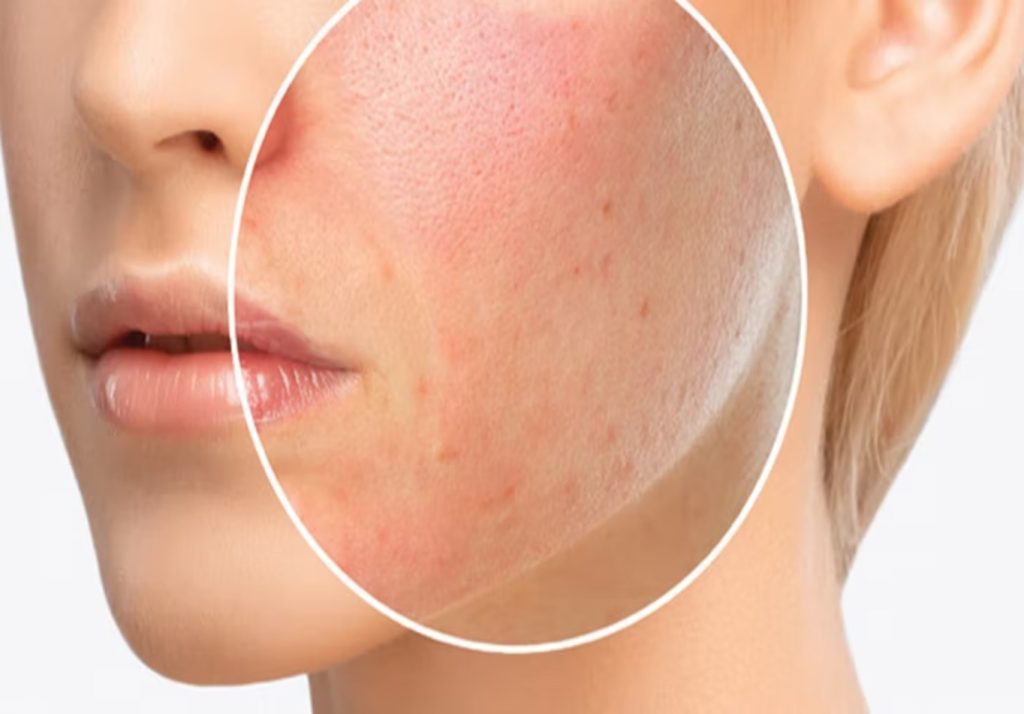
3. Recognizing Beneficial Additives
Some ingredients go beyond basic hydration, offering additional benefits like soothing, brightening, or anti-aging. I always look for these “bonus” components because they elevate a body lotion from ordinary to exceptional.
- Botanical extracts: Ingredients like chamomile, calendula, or green tea can calm irritation and reduce redness. I remember trying a lotion with chamomile extract during a dry winter, and it noticeably soothed my itchy skin within days.
- Vitamins: Vitamin E, niacinamide, and panthenol are excellent additions. Vitamin E acts as an antioxidant, protecting the skin from environmental stressors. Niacinamide improves skin texture and strengthens the skin barrier, while panthenol deeply moisturizes. I now actively seek lotions with these additives because they make my skin look healthier over time.
- Ceramides: Ceramides are lipids naturally found in the skin that help maintain the barrier function. I started using a ceramide-rich body lotion last year, and I was amazed at how much softer and more resilient my skin felt—even during harsh, dry seasons.
These ingredients aren’t always necessary, but I personally enjoy the extra care they provide. They make the lotion feel like a mini-treatment rather than just a basic moisturizer.
4. Understanding the Ingredient Order
One thing I’ve learned is that the order of ingredients matters. Ingredients are listed in descending order by concentration, so the first few ingredients have the most impact.
For example, if water (aqua) is listed first, followed by glycerin and then mineral oil, it means the lotion is largely water-based and relies on glycerin for hydration. This is fine, but if a lotion lists fragrance or alcohol before any emollients or humectants, I know it might irritate my skin before providing hydration. I now glance at the first five ingredients, and this often tells me whether the lotion is worth trying.
5. Texture and Feel Matter Too
Ingredients alone don’t tell the full story. How a lotion feels on the skin is an equally important indicator of its quality.
When I try a new body lotion, I pay attention to several factors:
- Absorption: Does it sink in quickly or leave a greasy residue?
- Hydration: Does my skin feel moisturized immediately and hours later?
- Comfort: Does it feel soothing, or does it sting or irritate?
I remember testing a lotion with luxurious oils like argan and macadamia nut oil. Initially, it felt slightly heavy, but after a week, my skin was the softest it had been in years. Conversely, a lotion with a lot of silicones felt smooth at first but didn’t provide lasting hydration. This experience taught me that high-quality ingredients work best when they actually benefit your skin, not just look good on paper.
6. Patch Testing and Skin Reactions
Even if a lotion has excellent ingredients, everyone’s skin reacts differently. I always patch-test a new product on my forearm for 24–48 hours. If no redness, itching, or bumps appear, I feel confident using it on larger areas.
Patch testing is especially important if you have sensitive or eczema-prone skin. I once ignored this step with a new lotion, only to wake up with itchy, red patches. Since then, it’s a habit I never skip.
7. Reading Reviews and Recommendations
While personal testing is key, I also like to check reviews from trusted sources. Beauty bloggers, dermatologists, or skincare forums often share ingredient analyses and personal experiences. I take these reviews with a grain of salt, though—what works for one person may not work for another. But they can give me insights into whether a lotion consistently delivers on hydration, texture, or long-term benefits.

8. Considering Your Skin Type and Needs
Not all body lotions are suitable for everyone. Understanding your skin type helps you prioritize ingredients:
- Dry skin: Look for lotions rich in emollients, occlusives, and humectants like shea butter, glycerin, and ceramides. I personally find that heavier, creamier lotions work best during winter months.
- Oily skin: Lightweight, non-comedogenic lotions with hyaluronic acid or aloe vera are ideal. I used to avoid body lotions altogether, thinking my oily skin didn’t need them. But using the right formula actually improved my skin texture and reduced flakiness.
- Sensitive skin: Opt for fragrance-free, alcohol-free, and gentle preservatives. My skin is reactive, so I tend to choose hypoallergenic options, even if the texture is less luxurious.
- Combination skin: Look for balanced lotions that hydrate dry areas without leaving an oily residue. I personally rotate two lotions, applying a richer one on my elbows and knees and a lighter one elsewhere.
9. Personal Experience and Trial-and-Error
Ultimately, experience is the best teacher. I’ve tried dozens of body lotions over the years, and I’ve learned that reading labels, checking ingredient order, and avoiding irritants can narrow down the options. But there’s no substitute for feeling how a product interacts with your own skin over time.
For example, I once purchased a lotion with rave reviews online. On paper, it was packed with beneficial oils and humectants. But after a week, my skin felt sticky and uncomfortable. Conversely, a lesser-known brand with simple ingredients gave me amazing results. This taught me to trust my skin’s feedback above everything else.
Determining whether a body lotion has good ingredients is a mix of knowledge, careful observation, and personal experience. By understanding emollients, humectants, and occlusives, avoiding irritants, looking for beneficial additives, and paying attention to ingredient order, you can make educated decisions. Pairing this with patch testing, considering your skin type, and learning from trial and error ensures that the lotion you choose truly supports healthy, nourished skin.
For me, the journey of understanding ingredients has transformed how I view body care. It’s no longer about fancy packaging or alluring scents—it’s about listening to my skin, recognizing the value of quality ingredients, and making informed choices. Every time I apply a well-formulated body lotion, I feel not just hydrated but cared for, as if the product is a small ritual of self-love.
So next time you’re standing in front of an aisle full of body lotions, don’t rush. Read the ingredients, consider your skin’s needs, and remember: the best lotion is the one that genuinely makes your skin healthier and happier.