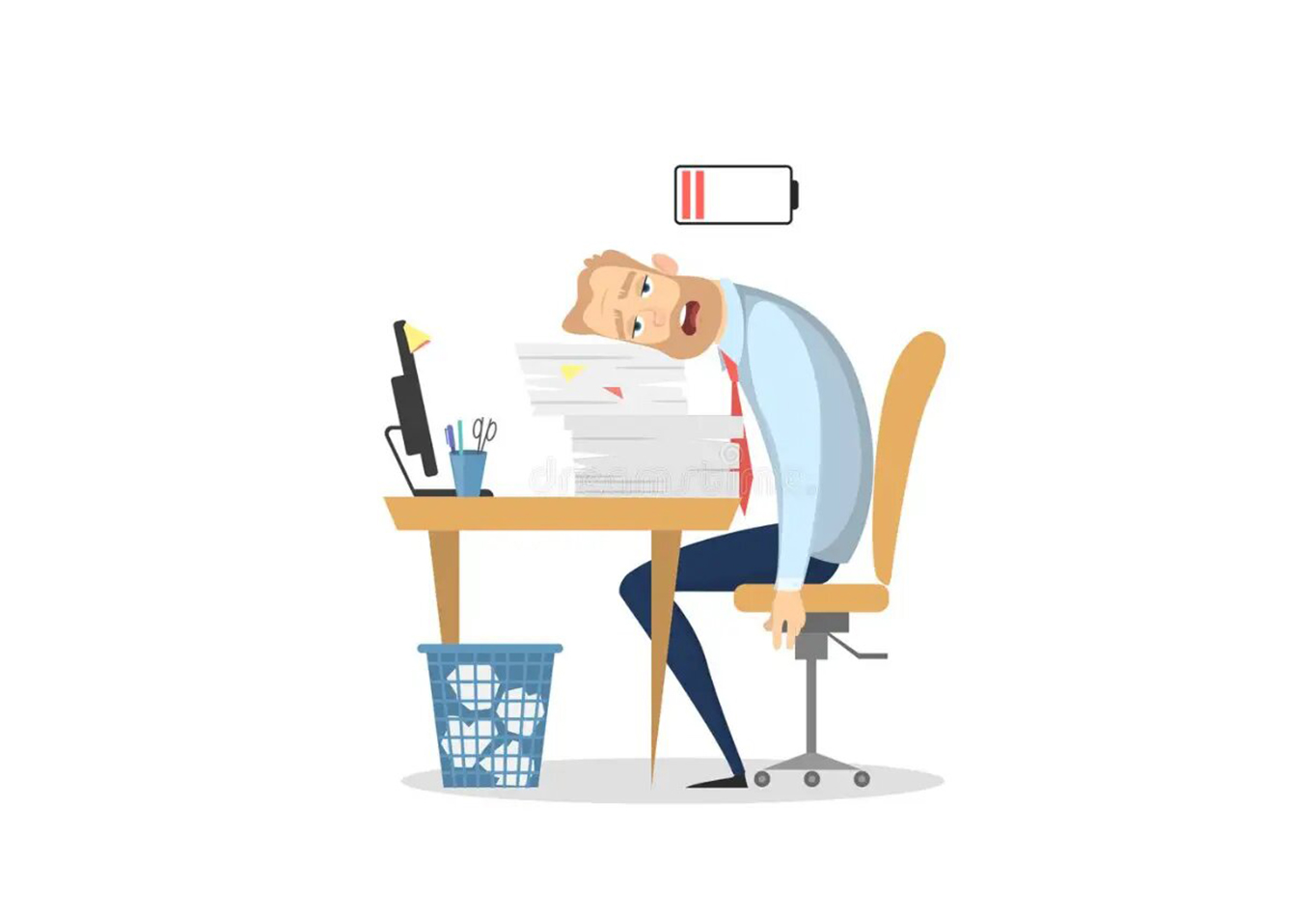
I used to spend a long period of time in a state where my body wasn’t sick, but I constantly felt exhausted. It wasn’t a temporary feeling of sleepiness, but a persistent low-energy state—waking up with no energy, struggling to focus during the day, feeling completely drained in the afternoon, and then delaying sleep at night because I didn’t want to end the day yet. The more frustrating part is that this kind of fatigue is easy to ignore because it’s not an illness, so you keep telling yourself: “Just push through a little longer.”
But the truth is, this kind of fatigue doesn’t go away on its own. Only after I started tracking my daily rhythm did I realize that the problem wasn’t a single factor, but rather the accumulation of long-term lifestyle habits. After many rounds of trial and adjustment, I summarized five methods that truly helped improve my physical state. None of them work instantly, but all of them gradually pulled me out of chronic fatigue. Below is my honest experience.
1. Fixed Wake-Up Time Instead of Relying on Sleep Duration
In the past, my biggest misconception was thinking “as long as I sleep 8 hours, it’s enough.” But I later realized this completely ignores one key point—the body relies more on rhythm than duration.
So I started doing one thing: keeping a fixed wake-up time every day, without extending sleep endlessly after late nights. Even if I slept late, I still tried to wake up at the same time. At the same time, I reduced “revenge sleeping” because it disrupts the next day’s biological rhythm.
At first, it was really difficult because I was used to waking up naturally without an alarm. But around day 7, I started to notice a subtle change—I no longer felt like I was being forcibly pulled out of bed in the morning; instead, I felt slightly naturally awake. It was a small but very important shift. Later, I even noticed that when my schedule went off track one day, my body would “remind” me the next day, which helped me adjust more easily.
Practicality & Who It’s For
This method is especially suitable for:
- Freelancers with irregular schedules
- Content creators who often stay up late
- Students
- Remote workers
If your life rhythm is “wake up early today, sleep late tomorrow,” this method is especially important.
Effects
After about two weeks of consistency, the most noticeable changes were:
- Mornings no longer feel heavy
- More stable energy throughout the day
- Reduced afternoon crash
- Sleepiness becomes more natural at night
It doesn’t make you “more energetic”—it makes your state more predictable.
Tools & Brands I Use
To support this process, I used:
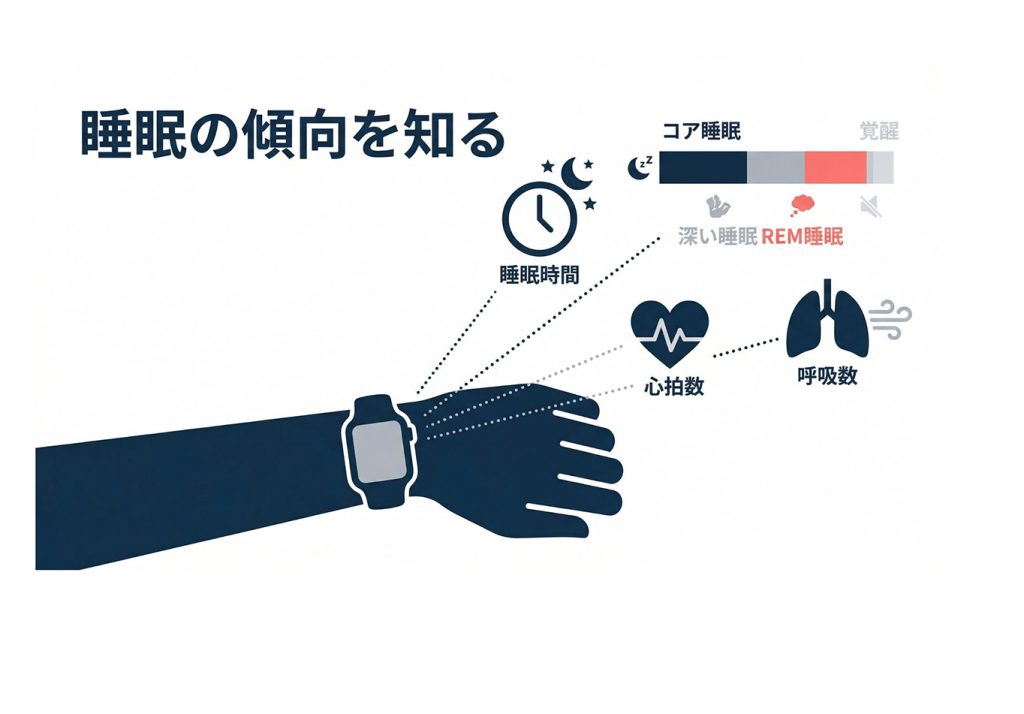
- Apple Watch (sleep & heart rate tracking)
- Xiaomi Smart Band (basic rhythm tracking)
- Sleep Cycle (sleep analysis app)
2. Adjusting Caffeine Use: From “Dependency” to “Support Tool”
I used to rely heavily on coffee, especially in the mornings. I would often drink it on an empty stomach to quickly “start my system.” But I gradually realized this doesn’t actually solve fatigue—it just temporarily suppresses the body’s real signals.
So I made adjustments: I stopped drinking coffee on an empty stomach and reduced overall caffeine frequency, turning coffee from a “necessity” into a “support tool.” I also started paying attention to when I actually feel tired instead of immediately fighting fatigue with caffeine.
At first, this was a bit uncomfortable, especially the habitual urge to drink coffee in the morning. But after about a week, my overall energy became more stable, without the previous pattern of morning highs followed by afternoon crashes.
Practicality & Who It’s For
This method is suitable for:
- People who rely heavily on coffee for energy
- Those who feel tired in the afternoon
- People with sensitive stomachs
- Fast-paced workers needing stable performance
If you feel like you “can’t start your day without coffee,” this is especially worth adjusting.
Effects
After making the change, I noticed:
- Less energy fluctuation in the afternoon
- Reduced stomach discomfort
- No sudden energy crashes
- Clearer awareness of real fatigue
It doesn’t make you more “excited”—it makes you more stable.
Coffee Brands I Use
- Nespresso (daily stability)
- Blue Bottle Coffee (lighter experience)
- Starbucks (basic on-the-go option)

3. Daily Low-Threshold Exercise Instead of High-Intensity Training
I used to think exercise had to be intense to be effective. But in reality, that mindset made it harder to stick to it and more likely to burn out.
So I changed my approach to “low-threshold, sustainable movement,” such as 20–30 minutes of walking, light stretching, or simple workouts. I stopped focusing on intensity and focused on consistency.
At first, I thought this might be too light, but after some time, I realized my body actually changed quite noticeably.
Practicality & Who It’s For
This is suitable for:
- People who sit for long hours
- Beginners without exercise habits
- Those who feel tired but dislike intense workouts
- Creators and freelancers
Effects
After sticking with it, I noticed:
- Less afternoon fatigue
- Less heaviness in the body
- Better focus duration
- More stable emotions
Fitness Brands I Use
- Lululemon (comfort wear)
- Nike (basic training)
- Adidas (light activewear)
4. Reducing Information Overload and Mental Fatigue
This was something I only fully realized later, but it had a huge impact on me.
I used to think scrolling on my phone was relaxing. But in reality, I was constantly consuming fragmented information—short videos, social media refreshes, and aimless browsing.
So I began intentionally reducing this input and setting boundaries around information consumption.
I didn’t completely quit it—I just controlled its frequency and structure.
Practicality & Who It’s For
This is especially suitable for:
- People who scroll social media frequently
- Those with scattered attention
- Mentally tired but physically fine individuals
- Creators, designers, writers
Effects
After adjusting, I noticed:
- Reduced mental fatigue
- Improved focus
- More stable emotions
- Easier relaxation at night
Tools I Use
- Forest (focus timer)
- Notion (information organization)
- iOS Screen Time (basic restriction)
5. Ending the Day Earlier Instead of Extending It Indefinitely
I used to have a very typical problem: I always felt like I could “do a little more” at night, which kept pushing my bedtime later and later.
So I started setting a fixed “end time” for the day. After that time, I avoid any high-stimulation activities such as work, social media, or heavy information consumption.
I treat it as a “closing ritual” for the day.
Practicality & Who It’s For
This is suitable for:
- People with strong late-night habits
- Those productive at night but tired during the day
- Emotionally active nighttime thinkers
- Freelancers and content creators
Effects
The biggest changes I experienced:
- Falling asleep faster
- Better sleep quality
- Faster recovery the next day
- More balanced daytime energy
Night Routine Tools I Use
- Kindle (pre-sleep reading)
- Philips warm light lamp (reduces stimulation)
- Calm / Headspace (relaxation & meditation)
Fatigue is not something that happens suddenly—it is the result of long-term imbalance in lifestyle rhythms.
And recovery doesn’t come from a single method, but from rebuilding a full lifestyle system.
These methods may look simple, but what truly changed my condition was long-term consistency and rhythm stability.
Once my life became more structured, predictable, and controllable, that persistent fatigue slowly disappeared.
Recommended Shopping Platforms
If you want to try the tools and products mentioned above, I usually shop from:
- Apple Store (devices & apps)
- Amazon (lifestyle and wellness tools)
- Official Nike / Adidas / Lululemon websites
- Sephora / Ulta (select wellness-related products)
- Nordstrom (lifestyle and premium brands)
I recommend prioritizing official or reputable platforms to ensure better quality and after-sales support.