Have you noticed more hair falling out when autumn arrives? Perhaps you see extra strands on your hairbrush, notice more hair in the shower, or feel that your ponytail looks thinner than it did a few months ago.
Seasonal hair shedding can be frustrating, especially when you are trying to maintain healthy, fuller-looking hair. However, increased shedding does not always mean something is wrong. Hair naturally goes through cycles of growth and shedding, and some people notice seasonal changes in this process.
At the same time, stress, nutritional deficiencies, illness, hormonal changes, and certain hair care habits can also contribute to hair loss. Understanding the possible causes is the first step toward choosing the right approach.
In this guide, we will explore why hair shedding may increase in fall, discuss practical ways to care for your scalp and hair, and explain when it is worth seeking professional advice. We will also look at several hair care products that may complement a gentle routine.
1. Why Does Hair Shedding Increase in Fall?
Understanding the Hair Growth Cycle
Hair naturally passes through different stages of growth, transition, and rest. At the end of the cycle, individual hairs shed and are eventually replaced by new growth.
According to the American Academy of Dermatology (AAD), losing around 50 to 100 hairs a day is generally considered normal. The amount varies from person to person, and noticing loose hairs does not automatically mean you are experiencing abnormal hair loss.
Some people report increased shedding during particular seasons, including autumn. However, seasonal patterns do not affect everyone, and researchers have not established one definitive explanation for why this happens.
If you notice more shedding in fall, it is helpful to consider the overall pattern rather than assuming the season is the only cause.
Stress, Illness, and Lifestyle Changes
One possible cause of increased shedding is telogen effluvium, a form of temporary hair shedding that can occur after a significant physical or emotional stressor.
Possible triggers include:
- A period of intense emotional stress
- A significant illness or high fever
- Surgery or another major physical stressor
- Rapid weight loss or restrictive dieting
- Certain nutritional deficiencies or medication changes
This type of shedding may become noticeable a few months after the triggering event. That means the cause may not be something that happened immediately before the shedding began.
If your hair started falling out more than usual after a stressful period or illness, consider discussing that history with a healthcare professional.
Nutrition and Underlying Health Conditions
Hair growth depends on overall health and adequate nutrition. Inadequate protein intake and deficiencies in certain nutrients, including iron, may contribute to hair loss in some people.
Thyroid disorders, hereditary hair loss, certain medications, and other medical conditions can also affect hair growth.
For this reason, persistent or unexplained shedding should not automatically be attributed to autumn. Identifying the underlying cause is more useful than trying multiple products without a clear plan.
2. Scientific and Practical Ways to Care for Your Hair in Fall
A good hair care routine does not need to involve dozens of products. I would start with gentle cleansing, reducing unnecessary damage, maintaining balanced nutrition, and paying attention to changes in the scalp and hair.
Choose a Shampoo That Suits Your Scalp
As the weather changes, your scalp may feel different. Some people experience dryness, while others continue to deal with excess oil or product buildup.
Rather than choosing a shampoo simply because it claims to prevent hair loss, I would prioritize a formula suited to my scalp type.
If your scalp is oily, regular washing as needed can help remove excess oil and buildup. If your scalp is dry or sensitive, a gentle cleanser may be more comfortable.
When washing your hair, massage the scalp with your fingertips instead of scratching with your nails. Rinse thoroughly, and avoid aggressively rubbing or tangling the lengths of your hair.
Seeing hair in the shower does not necessarily mean washing caused the shedding. Some of those hairs may already have been ready to fall out.
Use Conditioner to Reduce Breakage
Hair that is dry, bleached, chemically treated, or frequently exposed to heat may become more fragile.When choosing a conditioner, I would look for one that helps detangle the hair and leaves it feeling smoother without weighing it down excessively. Applying conditioner mainly to the lengths and ends can help improve manageability.
For hair that tangles easily, a leave-in conditioner or detangling product may also be useful.It is important to distinguish hair breakage from hair shedding. Conditioner can improve the feel and manageability of the hair shaft, but it cannot be expected to treat every type of hair loss.
Be Gentle When Brushing and Styling
Small changes in everyday habits can help reduce unnecessary damage.
- Use a wide-tooth comb or a gentle detangling brush, especially when hair is wet.
- Avoid repeatedly pulling hair into tight ponytails, buns, or braids.
- Limit frequent bleaching, chemical straightening, and other harsh treatments.
- Use heat protectant products when blow-drying or using hot styling tools.
- Avoid forcefully brushing through knots or pulling at tangled strands.
These steps are particularly useful for fragile hair and breakage caused by styling. They do not necessarily stop shedding caused by conditions affecting the hair follicles.
Support Hair Health Through Balanced Nutrition
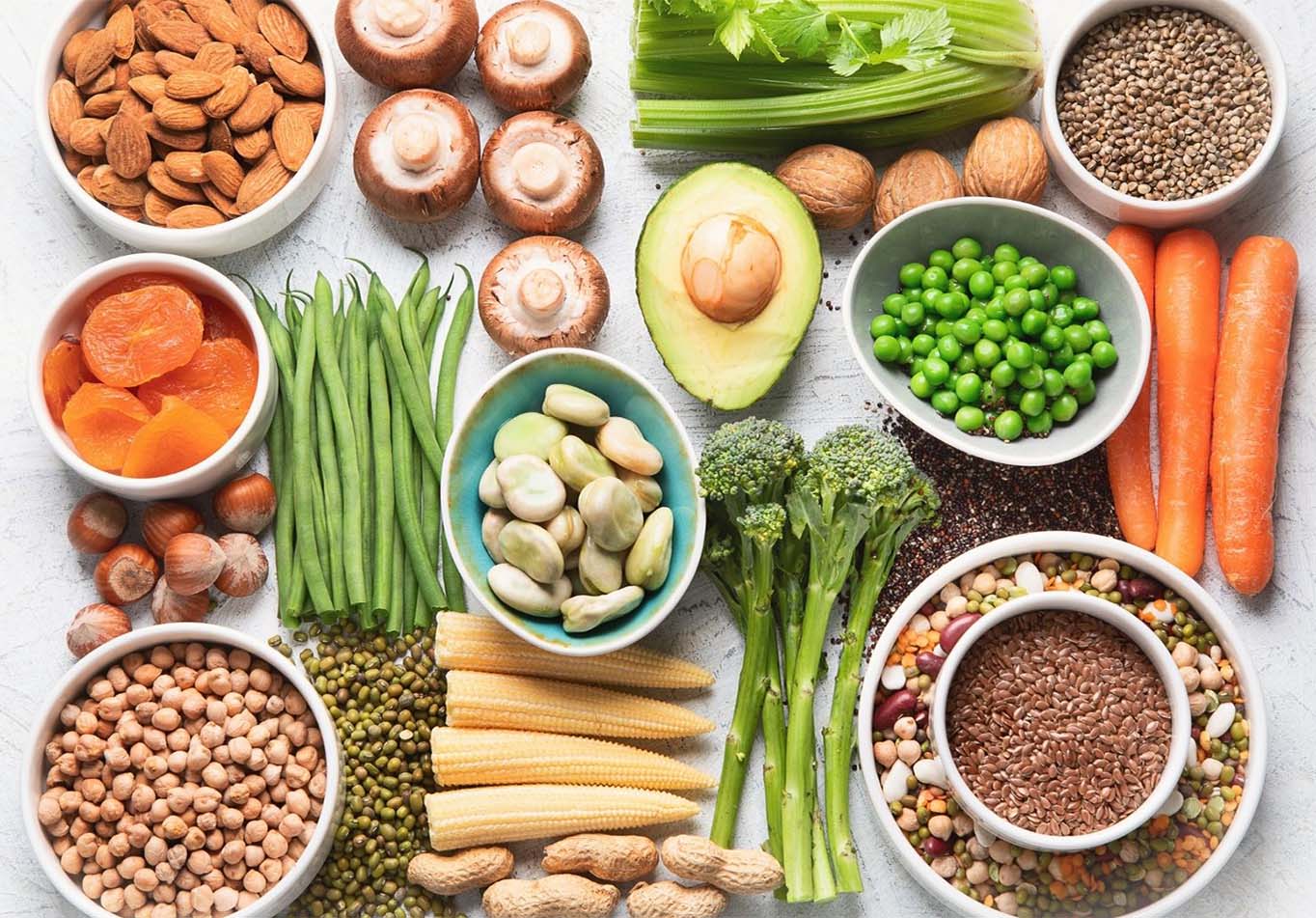
When thinking about healthy hair, I would prioritize a balanced diet before considering supplements.Try to include a variety of foods that provide essential nutrients:
- Protein: Eggs, fish, poultry, tofu, beans, and lentils.
- Iron-rich foods: Lean meat, legumes, leafy green vegetables, and iron-fortified foods.
- Healthy fats: Nuts, seeds, olive oil, and oily fish.
- Fruits and vegetables: A variety of produce to help provide vitamins and minerals.
No single food can prevent every type of hair loss. However, addressing a confirmed nutritional deficiency may help when that deficiency is contributing to shedding.
I would avoid taking high doses of biotin, iron, zinc, or other supplements without a clear reason. Excessive intake of certain nutrients can cause harm, and some supplements may interfere with laboratory tests or medications.
If you suspect a deficiency, ask a healthcare professional whether testing or targeted supplementation is appropriate.
Manage Stress and Maintain Consistent Habits
Stress management and adequate sleep support overall health, although neither can guarantee that hair shedding will stop.
I would focus on manageable habits, such as maintaining a regular sleep schedule, eating enough throughout the day, staying physically active, and making time to unwind.
If shedding begins after a stressful period or illness, remember that hair growth changes may take time to become visible and may also take time to improve.
Rather than switching products every few days in search of immediate results, maintain a consistent routine and monitor how your scalp and hair respond.
3. Hair Care Products Worth Considering for Fall
Hair care products can complement a routine, but it is important to understand what each product is designed to do.
The following recommendations are based on product positioning and potential use cases, not claims of personal testing or guaranteed results. I would choose among them according to my actual scalp and hair needs rather than purchasing all three.
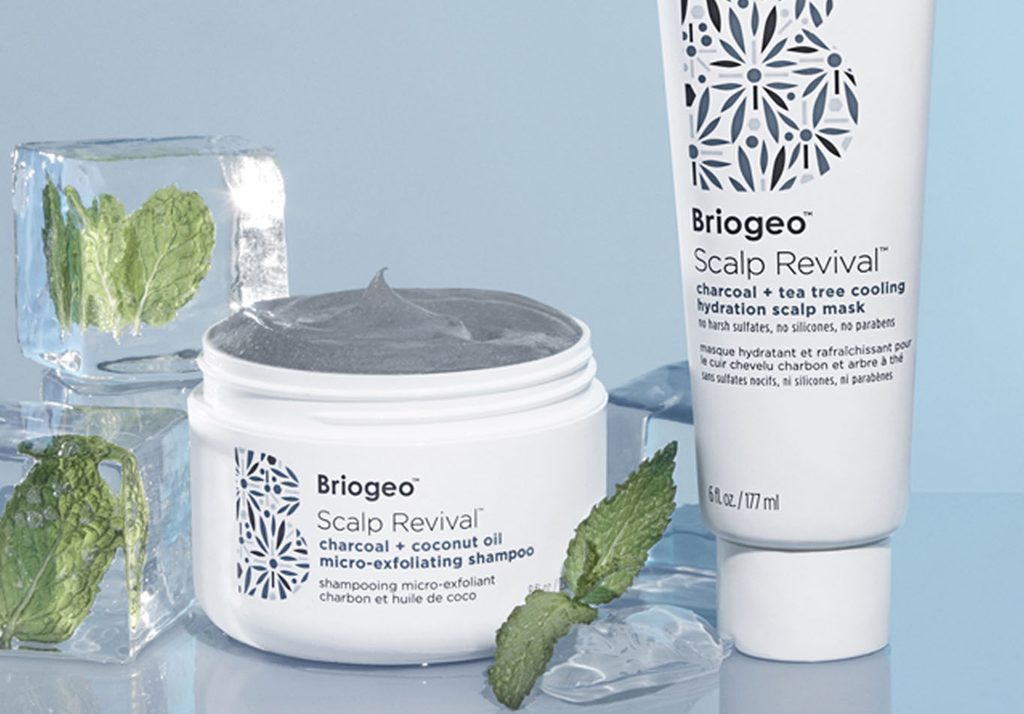
1. Briogeo Scalp Revival Charcoal + Coconut Oil Micro-Exfoliating Shampoo
Brand: Briogeo
My perspective
If my main concern were scalp buildup rather than confirmed hair loss, I would consider a scalp-focused cleanser such as Briogeo Scalp Revival.
I like the idea of choosing a product based on a specific need instead of assuming every hair concern requires a growth serum. For someone who prefers a scalp-focused routine, this type of product may be worth comparing with a regular shampoo.
Design and product features
This shampoo is formulated for scalp cleansing and exfoliation. Its intended use is different from that of a standard moisturizing shampoo or a medical treatment for hair loss.
Practicality and use
I would follow the product directions and avoid aggressive scrubbing. If my scalp were very dry, irritated, or sensitive, I would be cautious with exfoliating products and consider a gentler cleanser instead.
An exfoliating shampoo is not necessary for everyone, and it should not be expected to treat unexplained hair loss.
Where to buy
You can search for Briogeo products through Sephora or Ulta Beauty. Check the exact product name, current ingredients, availability, and return policy before ordering.
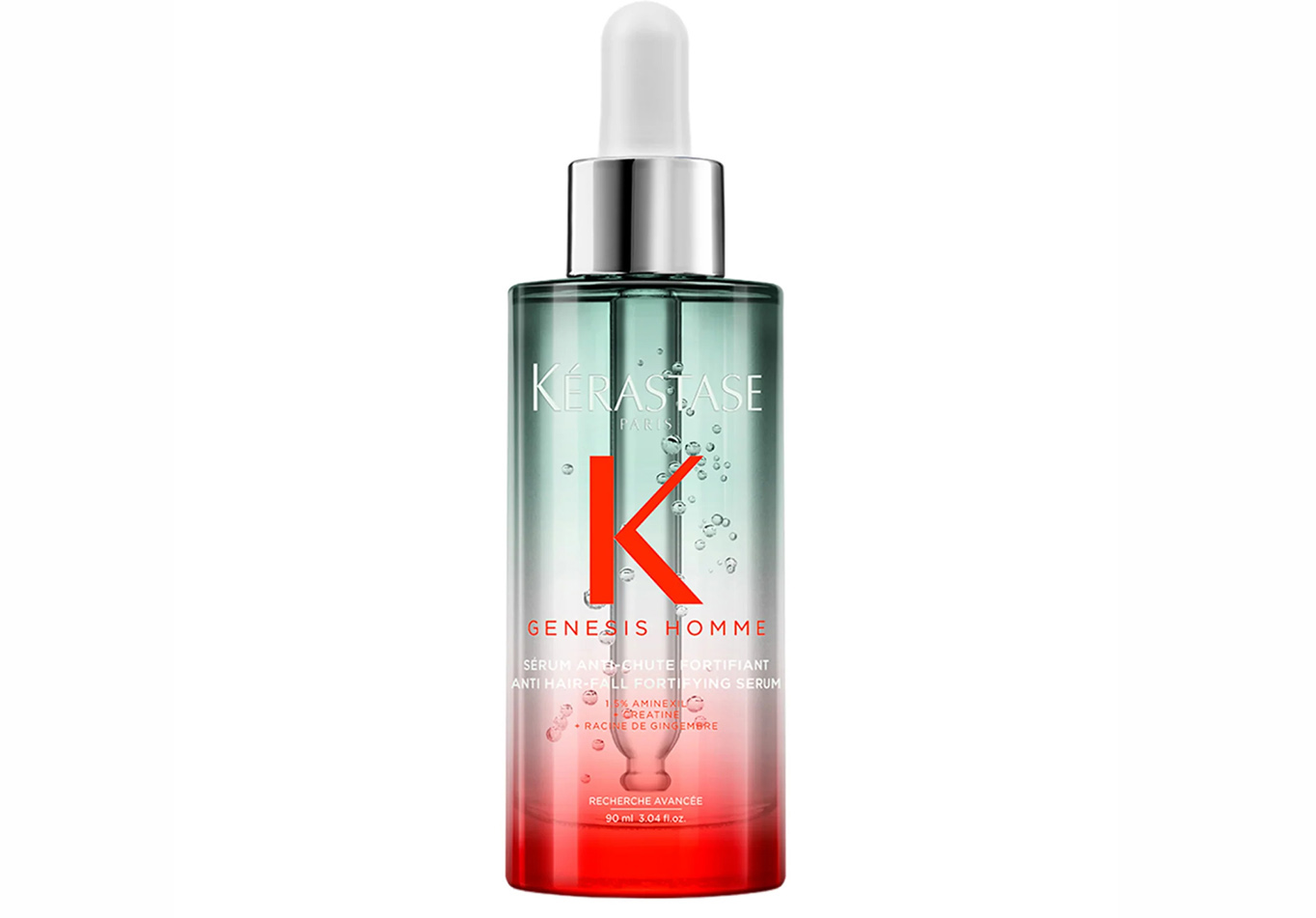
2. Kérastase Genesis Serum Anti-Chute Fortifiant
Brand: Kérastase
You can look for Kérastase products at Sephora, Nordstrom, or other established beauty retailers that carry the brand. Confirm the exact serum name and current availability, as product listings may vary.
My perspective
If I wanted to add a dedicated scalp serum to my routine, I would consider the Kérastase Genesis range as one option to research.
I would pay particular attention to the product’s intended purpose and ingredient information. A cosmetic serum may fit into a hair care routine, but I would not assume it can treat every cause of hair shedding.
Design and product features
The serum is marketed for hair prone to falling out and is positioned within a range focused on strengthening hair and reducing breakage. It is worth distinguishing these cosmetic goals from the treatment of medical hair loss.
Practicality and use
I would follow the manufacturer’s directions and monitor how my scalp responds. If irritation, redness, or discomfort developed, I would stop using the product.
For persistent thinning or significant shedding, I would prioritize a professional assessment rather than relying on a cosmetic serum alone.
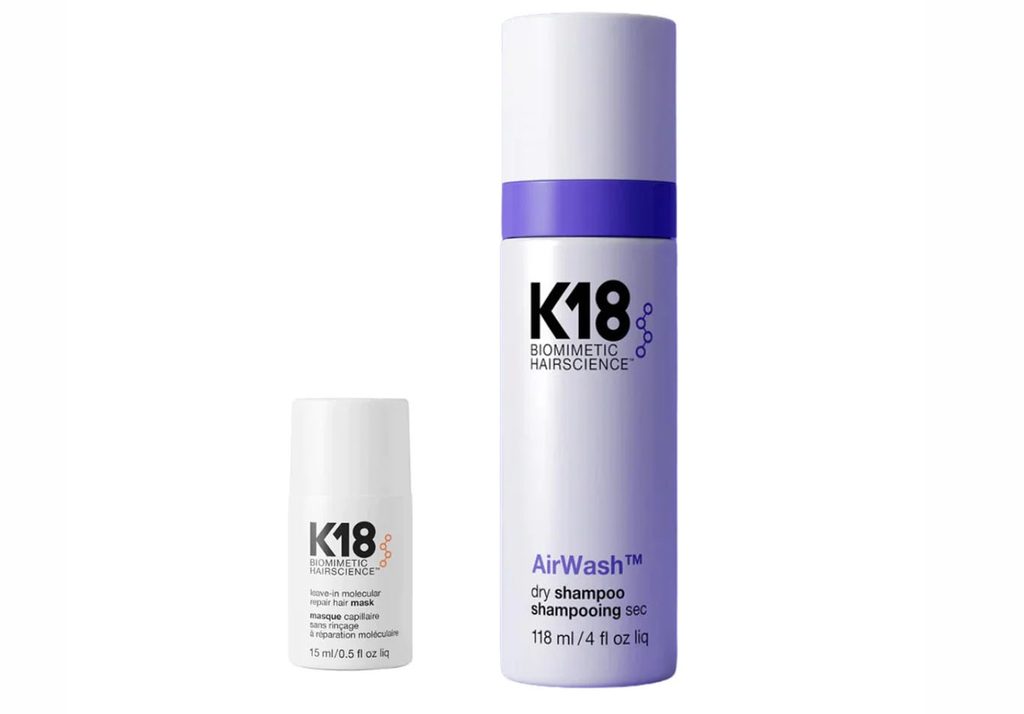
3. K18 Leave-In Molecular Repair Hair Mask
Brand: K18
You can search for K18 products through Sephora, Ulta Beauty, or other established beauty retailers. Compare the product size, directions, and current price before purchasing.
My perspective
If my hair felt rough, brittle, or difficult to detangle after coloring or heat styling, I would consider a repair-focused leave-in treatment such as K18.
I would view this type of product as part of a routine for damaged hair rather than as a treatment for hair loss. Improving the condition of fragile strands can make hair easier to manage, even though it does not necessarily affect shedding at the follicle.
Design and product features
The K18 leave-in treatment is designed for damaged hair. It may be worth considering for people concerned about chemical treatments or styling-related damage.
Practicality and use
I would follow the product directions and avoid using more than recommended. Gentle washing, appropriate conditioning, and reduced heat styling would remain important parts of the routine.
If the main concern were a widening part, patchy hair loss, or persistent shedding, I would not rely on a hair repair treatment alone.
4. When Should You Seek Professional Help for Hair Loss?
Although some seasonal shedding may be temporary, it is important not to assume that all hair loss is harmless.I would recommend consulting a dermatologist or another qualified healthcare professional if you notice any of the following signs.
Persistent or Increasing Shedding
If shedding continues, gets worse, or is accompanied by a noticeable reduction in overall hair density, it is worth having the cause evaluated.
A dermatologist can examine your scalp and hair pattern and determine whether additional assessment or testing may be appropriate.
Sudden or Patchy Hair Loss
Sudden bald patches, rapidly changing hair density, or a receding hairline deserve attention. These patterns can have different causes and should not automatically be attributed to seasonal shedding.
Scalp Pain, Redness, or Persistent Itching
Hair loss accompanied by significant itching, redness, tenderness, scaling, or other scalp changes may indicate an underlying scalp condition.Avoid repeatedly applying new oils, exfoliants, or scalp treatments in an attempt to solve the problem without understanding its cause.
Hair Loss Alongside Other Symptoms
If shedding occurs alongside unusual fatigue, weight changes, other new symptoms, or a recent medication change, discuss these details with a healthcare professional.
Depending on your history and symptoms, a clinician may consider nutritional deficiencies, thyroid disorders, medication effects, or other possible causes.
Why Early Assessment Matters
There is no single treatment that works for every type of hair loss. The appropriate approach depends on the underlying cause.
For example, hereditary hair loss may respond to evidence-based treatments such as minoxidil in appropriate patients, while other conditions may require different treatments. A clinician can help determine whether a treatment is suitable, explain potential side effects, and discuss how long it may take to assess results.
The American Academy of Dermatology emphasizes that identifying the cause of hair loss is important for selecting an appropriate treatment.
5. Where to Buy Hair Care Products Online
If you prefer shopping through international retailers rather than brand-owned websites or domestic Chinese shopping platforms, the following retailers are worth exploring.
- Sephora: Offers a broad selection of hair care, scalp care, and hair repair products. It is useful for comparing product categories and ingredients.
- Ulta Beauty: Carries a range of hair care products, including shampoos, conditioners, scalp treatments, and products marketed for thinning hair.
- Nordstrom: A department store retailer worth checking for selected premium hair care brands and treatments.
Product availability varies by brand, location, and retailer. Before ordering, confirm the exact product name, current price, shipping options, and return policy.
I would also pay attention to the difference between cosmetic claims and medical evidence. A product described as strengthening, thickening, or improving the appearance of hair is not necessarily proven to regrow hair or treat the underlying cause of hair loss.
6. Final Thoughts: Build a Consistent Fall Hair Care Routine
Noticing more hair on your brush or in the shower can be worrying, especially when you are trying to maintain healthy, fuller-looking hair.
Instead of immediately buying every product marketed for hair growth, I would begin by observing changes in shedding, reviewing recent stress and health factors, maintaining a balanced diet, and treating the scalp and hair gently.
For product choices, start with what your hair actually needs. A suitable shampoo can help keep the scalp clean, a conditioner can improve manageability, and a repair treatment may help reduce damage to fragile strands. None of these products should replace medical assessment when shedding is persistent, sudden, or accompanied by other concerning symptoms.
Most importantly, remember that healthy hair care is about more than the number of strands on your brush. Understanding your hair, avoiding unnecessary damage, and addressing the real cause of unusual shedding are more valuable than chasing a quick fix.
With a consistent routine and appropriate professional guidance when needed, you can take a more informed approach to caring for your hair throughout the fall season.