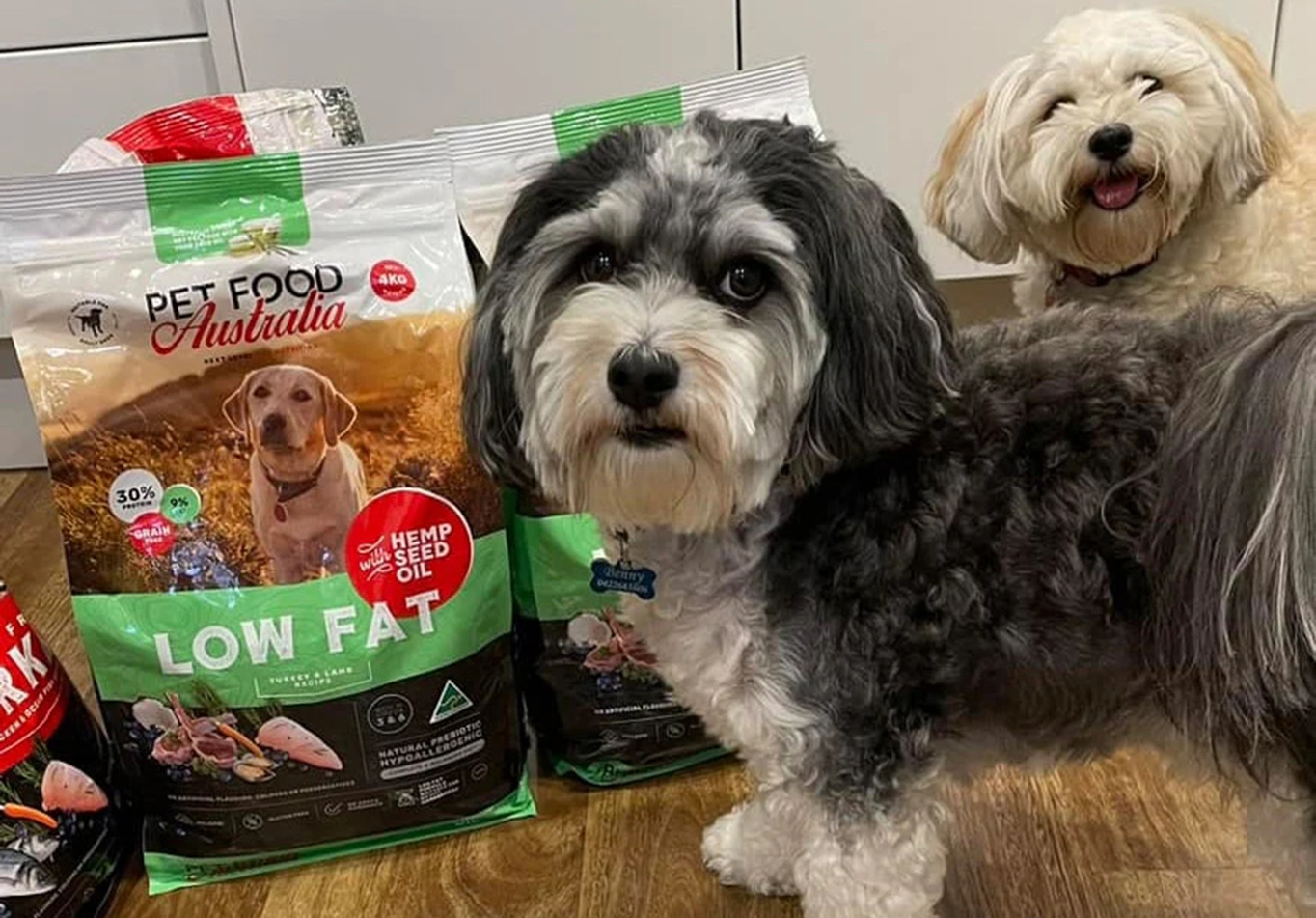
Many pet owners have experienced the same situation: a new pet food receives excellent reviews, a favorite brand goes on sale, or you simply worry that your dog or cat has become bored with its current food. As a result, changing to a different formula seems like a good idea. However, one important fact is often overlooked—for pets, the way you transition to a new food is often more important than the brand itself.
A cat’s or dog’s digestive system needs time to adapt to a new recipe. Suddenly replacing one food with another can easily lead to soft stools, diarrhea, vomiting, or a temporary loss of appetite. Instead of frequently chasing the latest brand or formula, it’s much more beneficial to learn how to transition food properly so your pet can adjust comfortably.
1. When Is It Actually Time to Change Your Pet’s Food?
Not every pet needs frequent food changes. If your pet is healthy, maintains a stable weight, has a good appetite, and thrives on its current diet, there’s usually no reason to switch foods regularly.
Generally speaking, changing food makes sense in situations such as:
- Puppies or kittens transitioning to adult formulas.
- Adult pets entering their senior years and requiring different nutritional needs.
- Pets that have been neutered or spayed and need calorie-controlled diets.
- Dogs or cats experiencing digestive sensitivities, skin issues, or veterinarian-recommended dietary adjustments.
- When the current food is discontinued or no longer meets your pet’s nutritional requirements.
If the only reason for changing food is attractive advertising or the belief that pets become “bored” eating the same formula every day, switching may not be necessary. In many cases, a high-quality food that consistently suits your pet is more valuable than constantly trying something new.
2. Why You Should Never Switch Food Overnight
Many owners assume that if the new food is higher quality, they can simply replace the old one immediately. In reality, even two premium pet foods may differ significantly in their nutritional composition.
Different brands often use different protein sources, such as chicken, beef, lamb, or fish. Fat content, fiber levels, vitamins, and minerals may also vary considerably. Since your pet’s digestive system has already adapted to its current diet, a sudden dietary change may upset the intestinal balance and result in temporary digestive problems.
For pets with sensitive stomachs, it’s often advisable to introduce new food gradually—even when changing between different product lines from the same manufacturer.
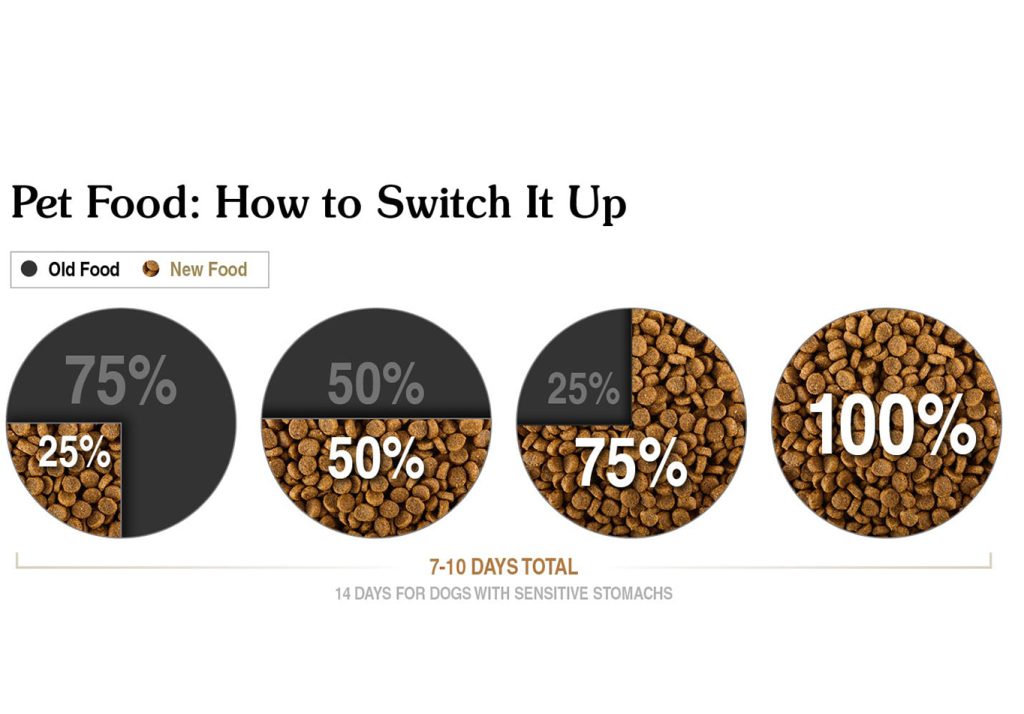
3. A Proper Food Transition Usually Takes 7 to 10 Days
To minimize digestive stress, veterinarians generally recommend introducing new food gradually.
A common transition schedule looks like this:
- Days 1–2: 75% old food + 25% new food
- Days 3–4: 50% old food + 50% new food
- Days 5–6: 25% old food + 75% new food
- Day 7 onward: 100% new food
If your pet has a history of digestive sensitivity, diarrhea, or picky eating, consider extending the transition to 10–14 days. A slower introduction often gives the digestive system enough time to adapt naturally.
4. Recommended Pet Food Brands Worth Considering
If you do need to change your pet’s diet, choosing well-established brands with proven nutritional formulas is usually a good place to start.
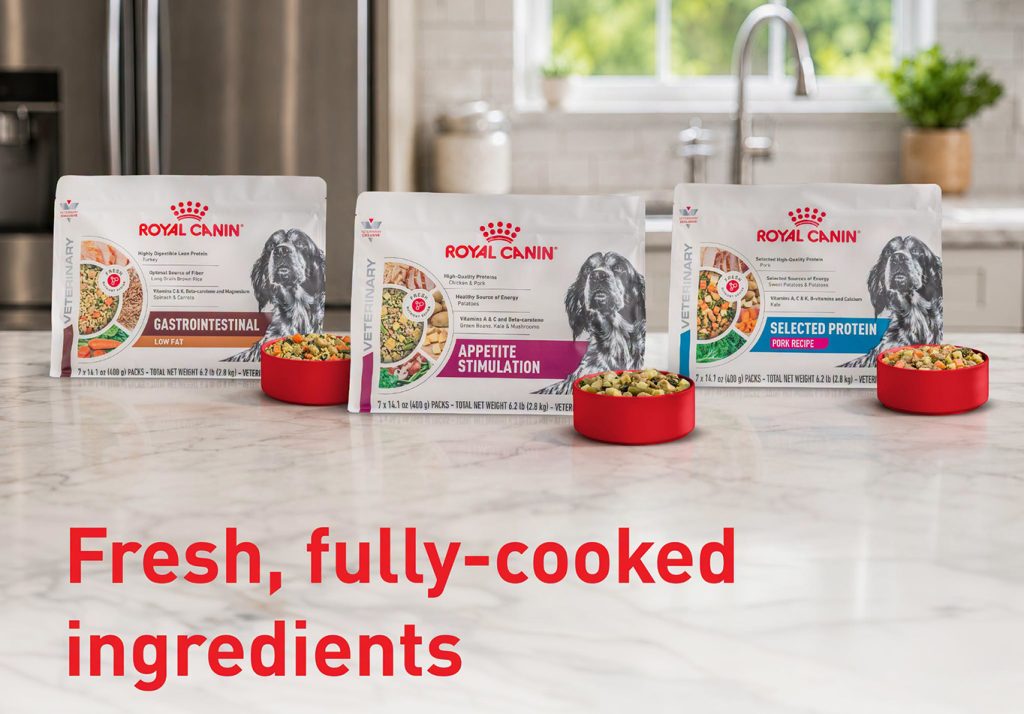
Royal Canin
Royal Canin offers specialized formulas for different breeds, life stages, and nutritional needs, including puppy, adult, senior, and sterilized pet diets. Its extensive product range makes it easier to find food that matches your pet’s changing requirements.
Hill’s Science Diet
Hill’s Science Diet is known for its science-based nutritional approach, offering balanced formulas for pets of various ages and health conditions. It remains a popular long-term choice for owners seeking consistent nutrition or digestive support.
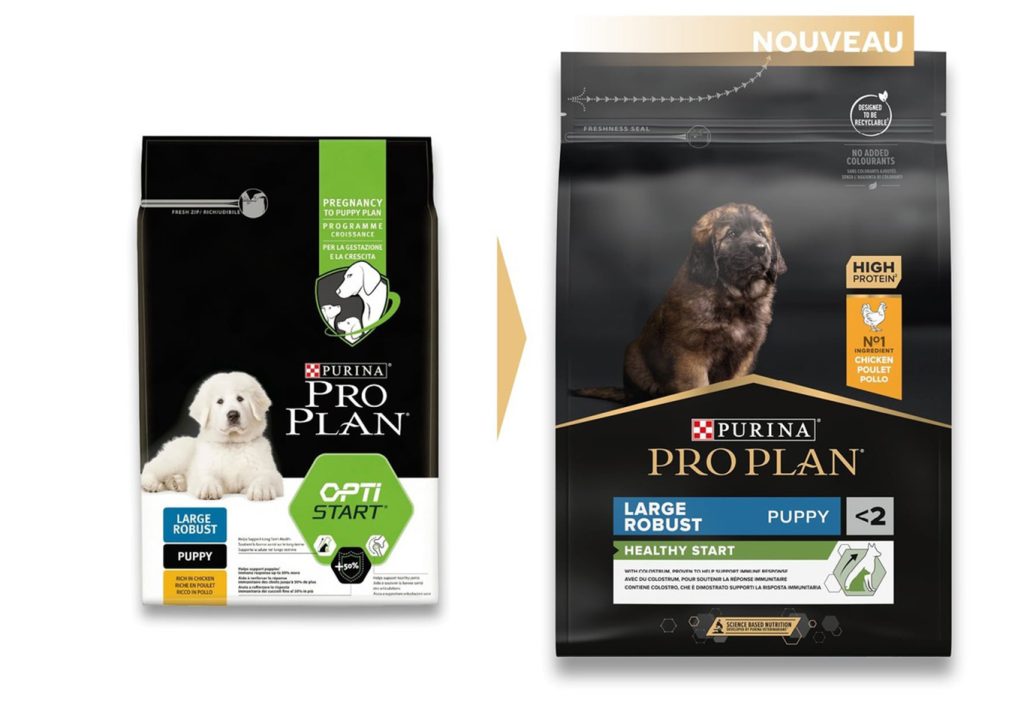
Purina Pro Plan
Purina Pro Plan provides a wide variety of functional recipes, including formulas for digestive care, skin and coat health, high-protein nutrition, and weight management. Its diverse product lines make it suitable for pets with specific dietary needs.
Orijen
Orijen is recognized for its high animal-protein recipes made with fresh regional ingredients. Its protein-rich formulas are particularly popular among active adult dogs and cats whose owners prefer diets with higher meat content.
5. Additional Tips During the Transition Period
Besides following a gradual mixing schedule, a few additional habits can help make the transition smoother.
Avoid introducing new treats, supplements, or canned foods while changing your pet’s main diet. This makes it much easier to determine whether your pet is adapting well to the new formula. Make sure fresh drinking water is always available, and monitor your pet’s stool quality, appetite, and overall energy level throughout the process.
If your pet experiences only mild soft stools while remaining active and eating normally, it’s usually reasonable to continue observing. However, persistent diarrhea, repeated vomiting, or a complete loss of appetite should not be ignored, and consulting your veterinarian is recommended to rule out food intolerance or other health issues.
When purchasing a new pet food, it’s also wise to buy from reliable retailers. Large platforms such as Amazon, Chewy, and Petco, as well as the official online stores of brands like Royal Canin, Hill’s Science Diet, Purina Pro Plan, and Orijen, usually provide detailed ingredient information, feeding guidelines, product specifications, and verified customer reviews. If you’re introducing a new formula for the first time, starting with a smaller bag or trial size can help determine whether your pet adapts well before committing to a larger purchase.
Choosing a quality pet food is certainly important, but successful food transitions depend far more on giving your pet enough time to adapt. By introducing new food gradually and following a well-planned transition process, you can minimize digestive discomfort, help your dog or cat adjust more comfortably, and make every food change safer and more successful.