After living in London for a long time, I’ve become increasingly certain about one thing: people who “know how to dress” are not the ones with the most complicated wardrobes, but the ones who know how to build a consistent style using very few essential pieces.
For me, neutral style is the best answer to this idea of “less is more.”
It doesn’t rely on exaggerated designs or trend-driven pieces. Instead, it focuses on clean silhouettes, restrained colors, and relaxed proportions—creating a look that feels natural, effortless, and slightly distant in a refined way.
A question I often get is: how can a woman wear neutral style without looking like she’s wearing menswear or ending up with something too boring?
My answer is simple: choose a few core pieces, wear them repeatedly, mix them constantly, and adjust proportions until everything feels right.
1. The Core Logic of Neutral Style: Less, but Precise
When I first started exploring neutral style, I made a very typical mistake: I bought too many “cool-looking” pieces—oversized cargo pants, extremely loose jackets, and statement tops. The problem was that while each piece looked interesting on its own, they didn’t work well together.
Over time, I realized the real foundation of neutral style is not “coolness,” but:
- Stable silhouettes
- Unified color palette
- Interchangeable pieces
In other words, your wardrobe should function like a modular system rather than a collection of standalone statement items.
Eventually, I narrowed my wardrobe down to three core pieces:
- Cargo Pants
- Oversized Blazer
- Straight-Leg Jeans
At first glance, they seem simple—but together, they cover about 90% of my daily outfits.
From here, I’ll break down how I actually wear them.
2. Three Core Pieces and My Styling Approach
1) Cargo Pants — The First Step in Stabilizing Proportions
When I first explored neutral style, I didn’t realize how important lower-body structure was. It wasn’t until I started wearing cargo pants that I truly understood what “balanced proportions” meant.
The pair I wear most often is the COS Relaxed Fit Cargo Trousers.
The design is minimal and clean—no exaggerated pockets, no heavy military aesthetic—just a refined, urban silhouette.
I still remember the first time I wore them properly. It was a regular Tuesday in London. I went to a café to work, wearing a simple white knit top and a black oversized blazer. Nothing special.
But when I walked through the streets, I suddenly noticed something different: the entire lower half of my body felt more grounded and structured.
Unlike skinny jeans that emphasize leg shape, cargo pants create a straighter and more relaxed line, making the whole silhouette feel longer and more balanced.
I eventually realized their true function:
Cargo pants don’t make you look cooler—they make your lower body more reliable.
My usual styling approach:
- Top: fitted knit or cropped T-shirt
- Outerwear: oversized blazer or denim jacket
- Shoes: Nike Air Force 1 or Dr. Martens
Cargo pants taught me that the key to neutral style is not how unique each item is, but whether the proportions actually work.
Where I buy it: COS
2) Oversized Blazer — The True Switch for Presence
If cargo pants solve structure, the oversized blazer solves presence.
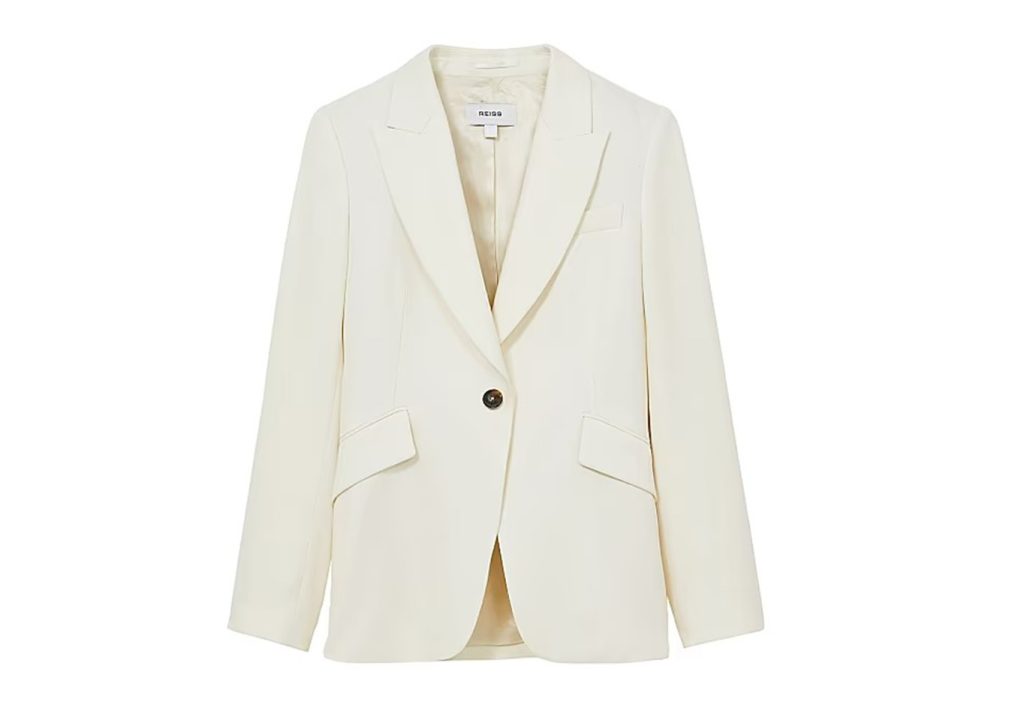
The most important blazer I own is the Reiss Oversized Blazer.
It has a clean cut with minimal detailing, but the shoulder line is perfectly structured, creating a relaxed yet powerful silhouette when worn.
I first realized its impact during a gallery visit in London.
I was wearing a simple white T-shirt and jeans—an extremely basic outfit. But once I put on the blazer, something shifted immediately.
I didn’t look more formal. I looked more complete.
Over time, I realized the blazer’s real purpose is not to make an outfit more formal, but to introduce a sense of order. It turns randomness into structure and simplicity into intention.
My favorite combinations:
- White T-shirt + straight-leg jeans + blazer
- Hoodie + blazer + sneakers (mixed contrast style)
I love the London street style aesthetic of looking casual but intentional—and this blazer is the core of that feeling. It doesn’t overpower the outfit, but it ties everything together.
I’ve even come to think of it as an “emotional reset piece”—whenever I don’t know what to wear, it brings everything back into balance.
Where I buy it: Reiss
3) Straight-Leg Jeans — The Foundation That Makes Everything Work
If the blazer is structure and cargo pants are proportion, then straight-leg jeans are the foundation logic of my entire wardrobe system.
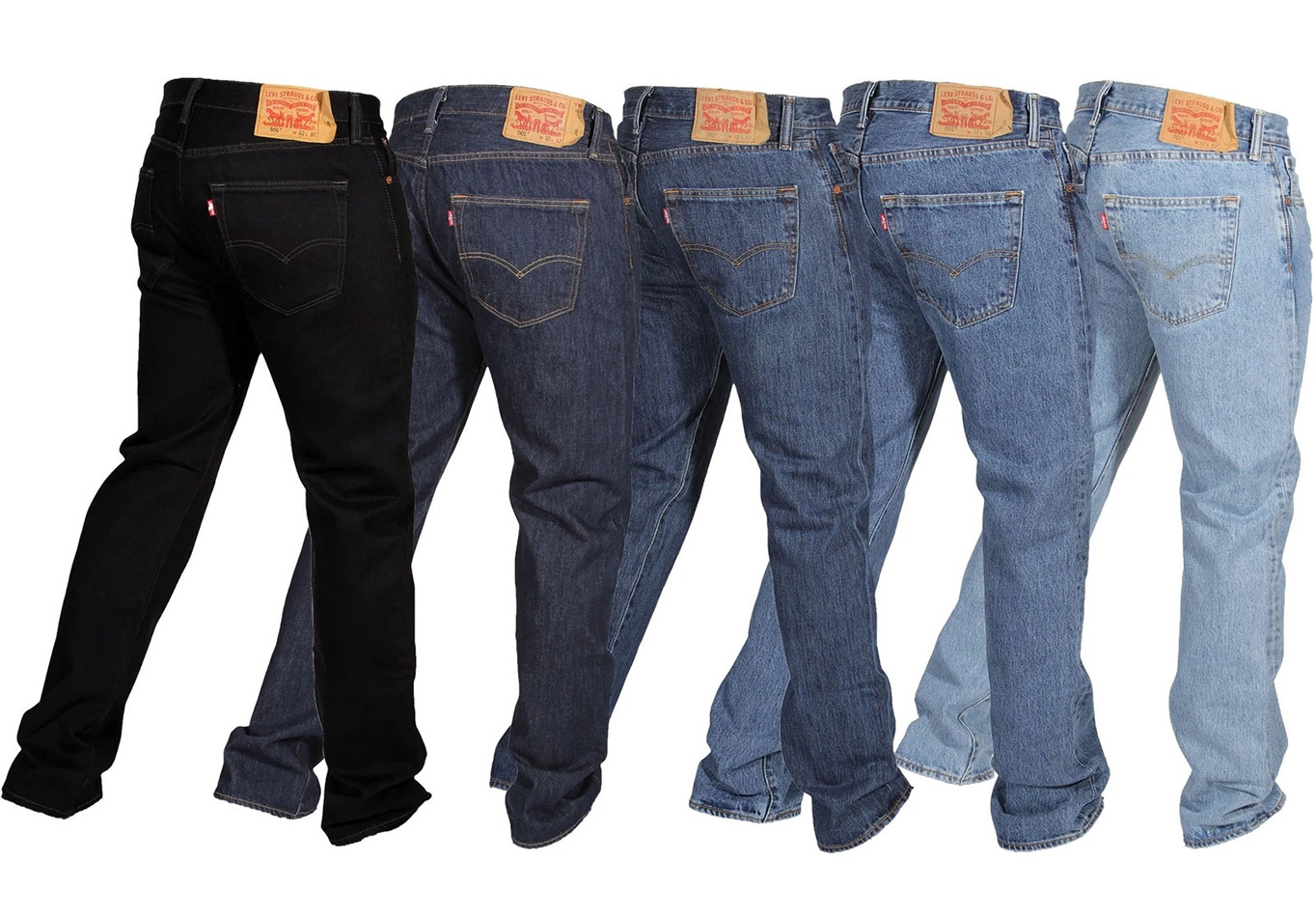
The pair I wear most often is the Levi’s 501 Original Fit Straight Jeans.
There’s nothing complicated about them, and they don’t try to enhance the body shape—but that’s exactly why they’re so reliable and irreplaceable.
I once went out for a casual day in central London wearing jeans, a white shirt, and a random jacket. I spent the whole day walking around without once thinking about my outfit.
It didn’t feel too formal, and it didn’t feel too casual—it sat perfectly in between.
Over time, I became more and more dependent on this pair because it solves a very practical problem: outfit stability.
Unlike more design-heavy trousers, these jeans don’t require styling decisions—they simply fit into any combination.
My usual pairings:
- White shirt + jeans + loafers
- Hoodie + jeans + chunky sneakers
In neutral style, jeans play a very important role:
They are not the main character—but they determine whether the main characters work at all.
If the blazer is “presence” and cargo pants are “structure,” then jeans are “baseline reality.”
Without them, many outfits simply don’t feel stable.
Where I buy it: Levi’s UK
4) Oversized Hoodie — The Source of Effortless Relaxation
Within my neutral wardrobe system, the oversized hoodie acts as a “mood regulator.”
The one I wear most often is a grey oversized hoodie, usually from Weekday or H&M Basics.
It has no complicated design, but its simplicity is exactly what makes it so versatile.
I remember one ordinary workday in London when I left the house wearing a hoodie without much thought. While walking through the city, I suddenly noticed how light everything felt.
Not careless—but unburdened.
I eventually realized its role:
The hoodie is about relaxation, not styling.
My usual formula:
Oversized hoodie + slim bottoms + sneakers
It can also be layered under a utility jacket for depth, or under a blazer for contrast styling.
That contrast—between relaxed and structured—is what makes neutral style feel alive.
Where I buy it: Weekday / H&M UK
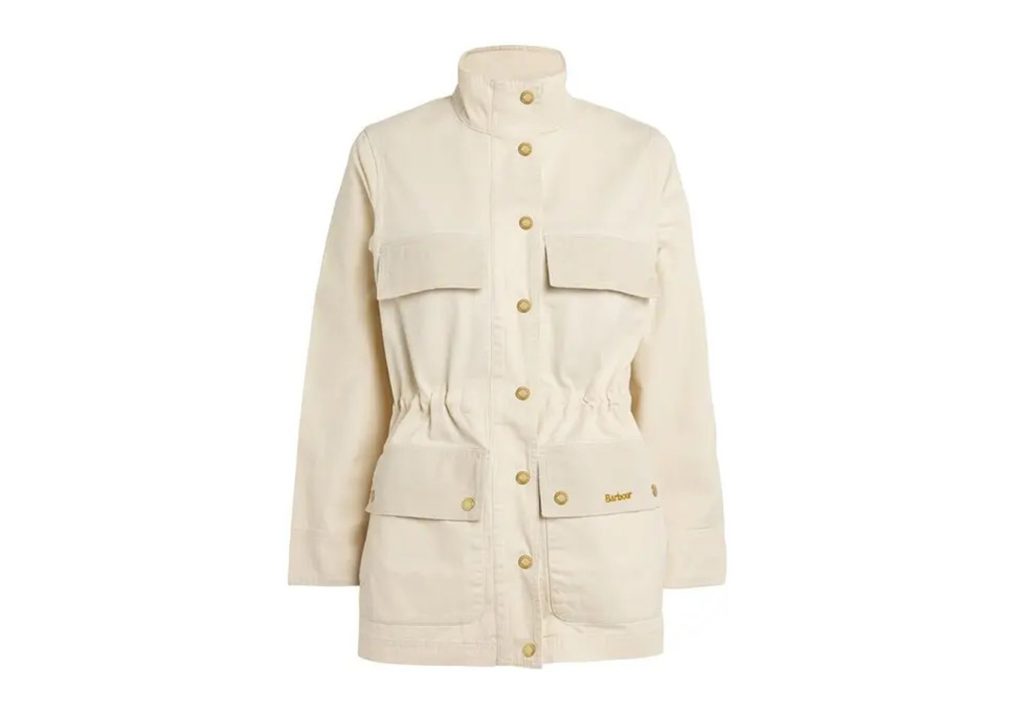
5) Utility Jacket — Layering and Real-Life Functionality
The utility jacket is one of the most practical pieces I own in the UK.
My go-to options are the Barbour Lightweight Utility Jacket or lightweight styles from AllSaints.
What defines it is clear structure, functional detailing, and lightweight comfort.
I started relying on it during unpredictable London spring weather, where mornings are cold, afternoons are warm, and evenings drop in temperature again.
The utility jacket solved that entirely.
It allows me to stay in one outfit all day without constant adjustments.
But beyond practicality, it also brings something deeper:
It turns neutral style into a lived experience, not just a visual concept.
My favorite pairings:
- Black slim pants + white T-shirt + utility jacket
- Dress + utility jacket (soft vs hard contrast styling)
This “soft + structured” combination works especially well in neutral style.
Where I buy it: Barbour / AllSaints
4. How These Five Pieces Create My System
When I look at these pieces together, I realize neutral style is not about clothing—it’s about structure.
Each piece plays a specific role:
- Cargo pants → lower-body structure
- Jeans → daily stability
- Blazer → presence and order
- Hoodie → relaxation
- Utility jacket → layering and functionality
They can be freely combined without needing extra items to “fix” the outfit.
For example:
- Jeans + hoodie + utility jacket (most daily look)
- Cargo pants + blazer (most structured look)
- Jeans + blazer (clean city look)
- Cargo pants + hoodie + utility jacket (most lifestyle-oriented look)
- Hoodie + blazer (high-contrast style)
Over time, I realized the core of neutral style is not individual pieces, but the logic of combination.
5. How Hairstyle Affects the Final Look
Through practice, I noticed something easily overlooked: hairstyle changes everything.
The same outfit can feel completely different depending on hair.
My most common styles:
- Low ponytail → clean and sharp with blazers
- Middle-part straight hair → cool and structured with jeans
- Natural loose hair → relaxed with hoodie and utility jacket
Hairstyle acts as the final layer that completes the outfit.
6. Real-Life Scenarios in London
These five pieces cover almost all of my daily life:
- Coffee shop work → jeans + hoodie + utility jacket
- City walking → cargo pants + blazer
- Art gallery visits → jeans + blazer
- Travel days → cargo pants + hoodie + utility jacket
- Casual errands → jeans + hoodie
They don’t belong to specific occasions—they adapt to all of them.
7.Less Choice, More Style
At the end of the day, neutral style is not about dressing cooler.It’s about making life simpler.When your wardrobe becomes clearer, getting dressed becomes easier. Instead of redefining yourself every morning, you simply choose from an established system.These five pieces are not complicated—but they are reliable.And that reliability is what creates a consistent personal style.