Managing personal finances doesn’t require complicated spreadsheets or hours of work every week. In many cases, it starts with one simple habit—knowing where your money goes. While many people begin budgeting with enthusiasm, they often stop after only a few weeks. The problem usually isn’t a lack of motivation, but rather using tools that are too complicated or require constant manual input.
A good budgeting tool should make financial management feel easier, not more stressful. Instead of spending time recording every purchase, the right platform should help you understand your spending patterns, organize your budget, and gradually build healthier financial habits. Rather than downloading multiple budgeting apps, it’s often better to focus on a few practical features and choose a solution that truly fits your lifestyle.
1. Automatic Categorization Saves Time and Encourages Consistency
One of the biggest reasons people abandon budgeting is that manually recording every transaction quickly becomes repetitive.
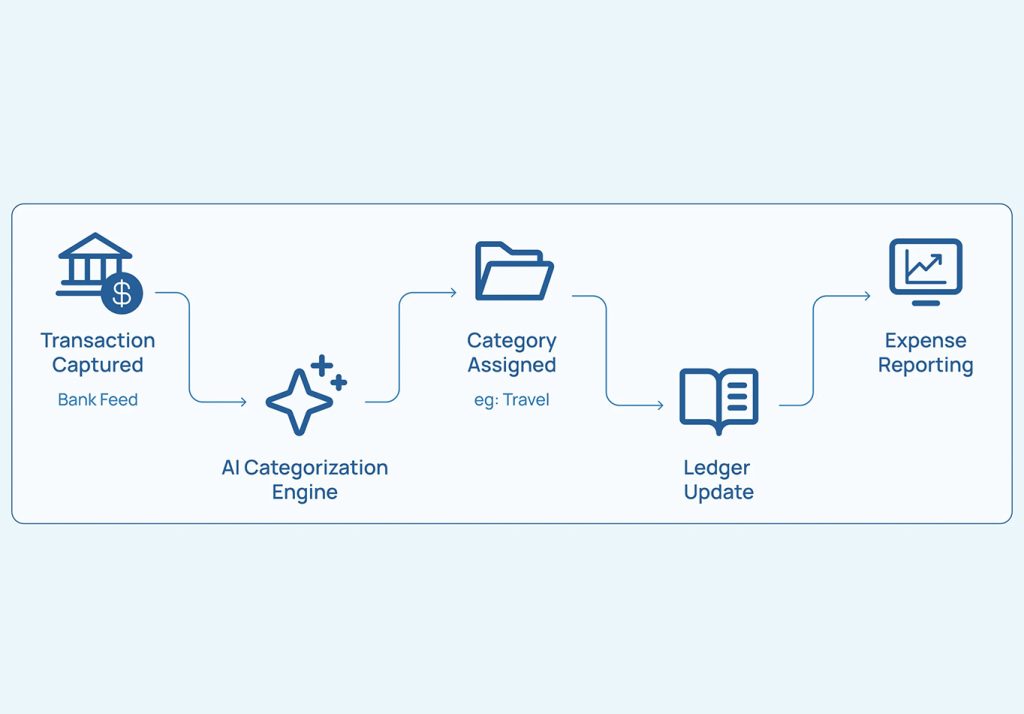
Modern budgeting applications can automatically categorize many everyday expenses after connecting to supported bank accounts, credit cards, or payment services. Groceries, transportation, dining, entertainment, and shopping purchases can often be identified automatically, allowing users to spend less time entering data and more time understanding their finances.
When comparing budgeting tools, it’s worth looking for features such as:
- Automatic account synchronization
- Smart transaction categorization
- Custom spending categories
- The ability to edit incorrect classifications easily
Automatic categorization is never perfect, but it significantly reduces daily workload. More importantly, it makes budgeting much easier to maintain over the long term. A budgeting system that you actually continue using is always more valuable than one filled with advanced features that eventually go unused.
2. Budget Alerts Help You Stay in Control Before Problems Grow
Many people only review their finances after the month has already ended. By then, overspending has already happened, and there’s little opportunity to adjust.
A well-designed budgeting application should help users identify potential problems much earlier. If spending on restaurants, online shopping, or entertainment is approaching a predefined limit, timely notifications can encourage users to slow down before exceeding their budget.
Helpful budgeting features include:
- Flexible monthly spending limits
- Separate budgets for different categories
- Real-time progress tracking
- Overspending notifications and reminders
These alerts are not designed to prevent people from enjoying their money. Instead, they provide useful information that supports better financial decisions throughout the month.
Over time, these small reminders also help users become more aware of their spending habits. Instead of wondering where their money disappeared, they can recognize spending patterns early and make adjustments while there is still time.
3. Clear Financial Reports Make Budgeting Easier to Understand
Many budgeting platforms include detailed reports, charts, and graphs, but the most useful information is often the simplest.
For most households, a budgeting application should clearly present:
- Monthly income and expense trends
- Spending percentages by category
- Fixed versus flexible expenses
- Savings progress over time
These reports make it easier to identify habits that might otherwise go unnoticed. For example, users may discover that takeaway meals cost more than expected, several subscription services are rarely used, or shopping expenses consistently exceed their monthly targets.
Looking at financial trends over several months is often much more valuable than reviewing a single month in isolation. Long-term reports provide a clearer picture of spending behavior and help users measure whether their budgeting habits are gradually improving.
When financial information is presented clearly, making better decisions becomes much easier.
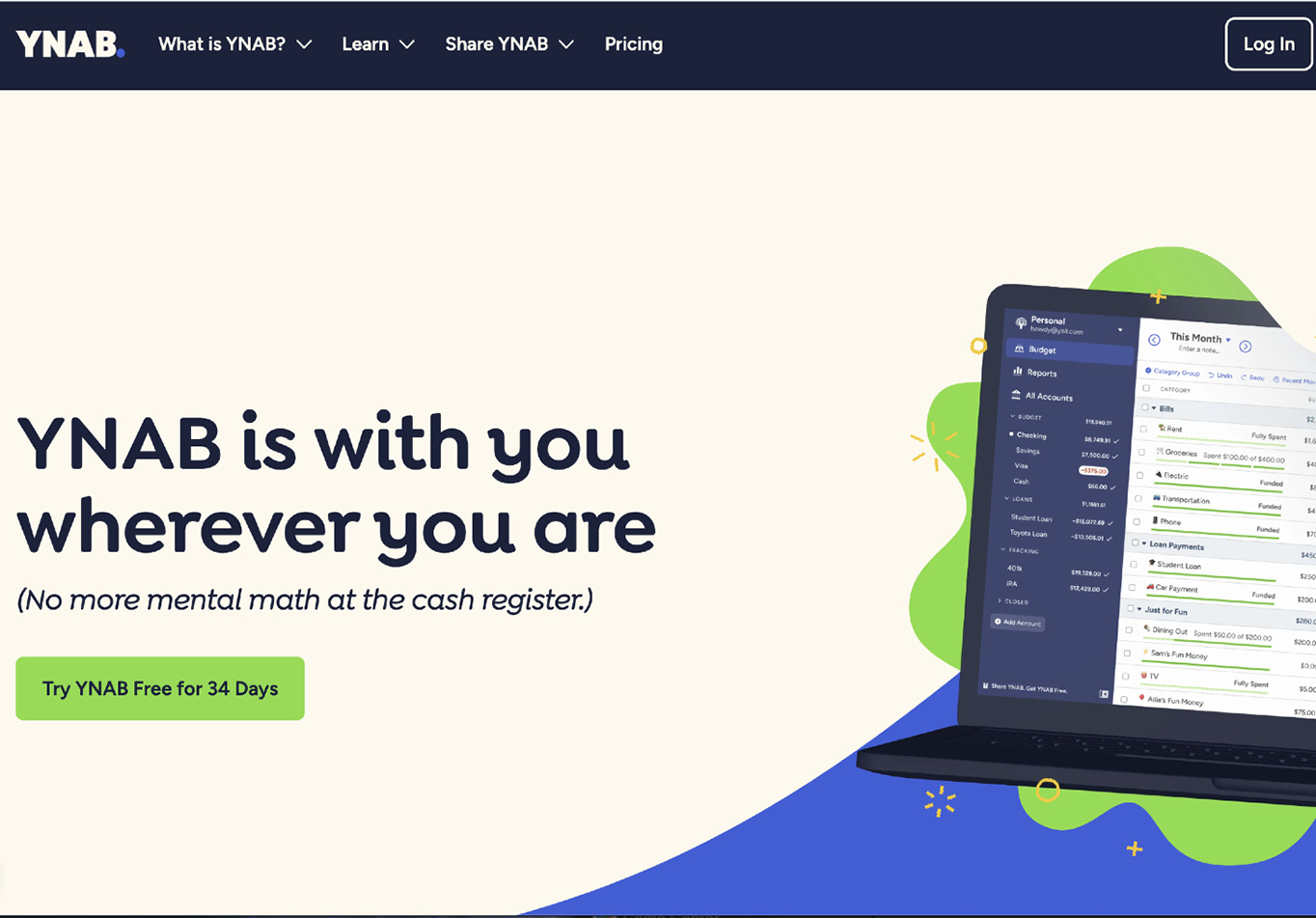
4. Recommended Budgeting Tool: YNAB (You Need A Budget)
For anyone looking to build a structured budgeting system rather than simply track expenses, YNAB (You Need A Budget) remains one of the most respected budgeting platforms available today.
Unlike many traditional budgeting apps that mainly record spending after it happens, YNAB follows a different philosophy: every dollar should have a job before it is spent. Users assign their income to specific purposes as soon as they receive it, creating a clear financial plan before making purchases.
Why YNAB Stands Out
Purpose-driven budgeting
Instead of focusing only on expense tracking, YNAB encourages users to actively plan how every dollar will be used. Money can be allocated to groceries, transportation, savings goals, emergency funds, vacations, insurance, or future purchases before spending begins.
Multi-device synchronization
YNAB works across desktop computers, smartphones, and tablets, allowing users to update their budgets whenever necessary. Changes are synchronized across devices, making it easy to stay organized whether you’re at home or on the move.
Detailed financial insights
The platform provides comprehensive reports showing spending patterns, budget performance, and long-term financial progress. These reports make it easier to identify habits that deserve attention while helping users monitor improvements over time.
Goal tracking
In addition to monthly budgeting, YNAB allows users to create savings targets for future expenses. Whether planning for holiday travel, home improvements, or emergency savings, dedicated goals help make larger financial objectives feel more achievable.
Extensive educational resources
One feature that makes YNAB especially valuable for beginners is its collection of educational materials. Through articles, videos, workshops, and practical budgeting examples, users can learn budgeting techniques while using the software itself. Rather than functioning as only an expense tracker, YNAB helps users develop a complete budgeting mindset.
For people who want to build sustainable financial habits instead of simply monitoring transactions, YNAB offers a structured and practical approach that grows with their financial experience.
5. Choosing the Right Budgeting Tool for Your Needs
No budgeting application is perfect for everyone. The best choice depends on your financial goals, daily habits, and the level of detail you prefer.
Before selecting a budgeting platform, consider questions such as:
- Do you want to manage finances individually or with family members?
- Is automatic bank synchronization important to you?
- Do you need support for multiple currencies?
- Do you prefer a simple dashboard or detailed financial reports?
- How much time are you realistically willing to spend reviewing your budget each week?
The ideal budgeting tool should fit naturally into your routine. If using it feels complicated, maintaining consistent budgeting habits becomes much more difficult.
Better Financial Habits Start With Simpler Decisions
Successful budgeting isn’t about tracking every cent perfectly or constantly worrying about expenses. It’s about building small, consistent habits that improve financial awareness over time.
Choosing a budgeting tool that is easy to use, reviewing your spending regularly, and making small adjustments each month can gradually strengthen your financial confidence. The software itself won’t make financial decisions for you, but it can provide the clarity needed to make smarter ones.
If you’re comparing budgeting platforms, visiting each provider’s official website is usually the best way to explore the latest features, pricing, subscription plans, and updates. Taking a little time to compare different solutions before making a decision can help you choose a budgeting tool that supports your financial goals not only today, but well into the future.