
Summer is one of the most demanding seasons for any vehicle. Prolonged exposure to high temperatures, scorching pavement, and extended hours on the road can place additional stress on multiple vehicle systems. Without proper maintenance, seemingly minor issues may gradually develop into expensive repairs or even safety hazards during long-distance travel.
Before every summer, I make it a habit to inspect several key areas of my vehicle. These checks are neither complicated nor time-consuming, but they help reduce the likelihood of unexpected problems and make every journey more reliable throughout the hotter months.
1. Tire Condition and Tire Pressure: Heat Places Extra Stress on Your Tires
Tires are the only part of a vehicle that remains in constant contact with the road, making them one of the most important safety components. During summer, rising temperatures cause the air inside the tires to expand, increasing tire pressure. If the pressure is already higher than recommended, additional heat from long highway drives or prolonged parking under direct sunlight can place even greater stress on the tire structure.
Overinflated or worn tires not only reduce traction and handling performance but can also accelerate uneven wear. Under extreme conditions, excessive heat may increase the risk of tire failure, especially during long-distance travel.
Tips for Maintaining Tires in Summer
Before temperatures peak, I usually complete a few simple inspections:
- Measure tire pressure while the tires are cold and adjust it according to the manufacturer’s recommended specifications.
- Inspect the tread depth and check for cracks, bulges, or uneven wear.
- Before long road trips, verify the tire pressure once more and avoid overloading the vehicle whenever possible.
Vehicles equipped with a Tire Pressure Monitoring System (TPMS) provide useful alerts, but manual inspections remain an important part of regular maintenance.
2. Cooling System: Prevent the Engine from Overheating
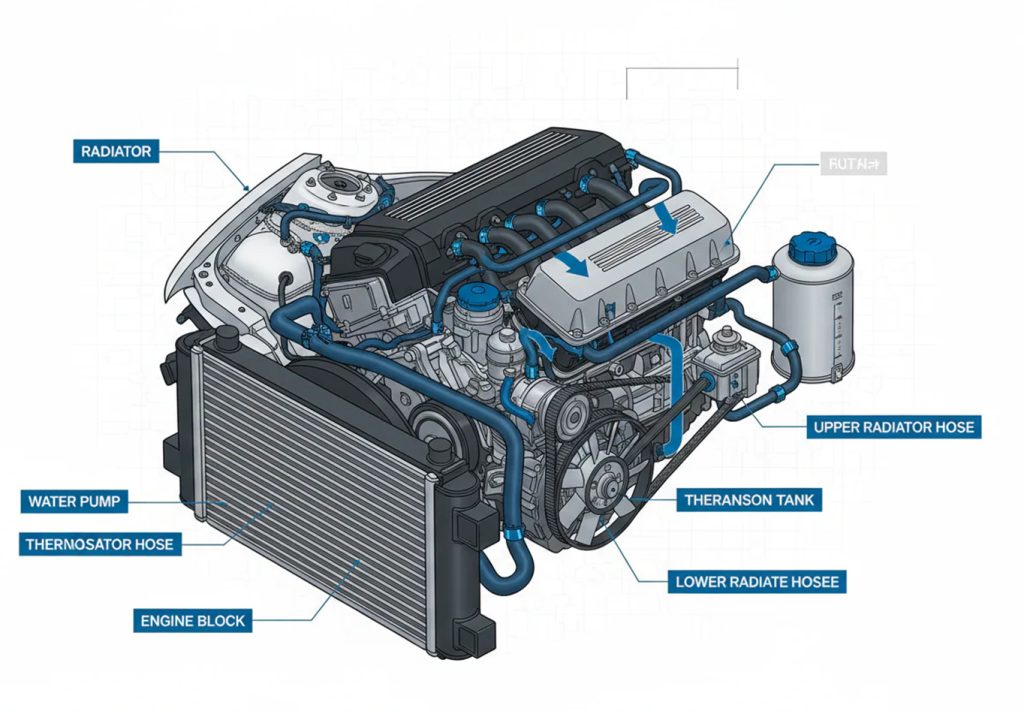
An engine naturally generates a significant amount of heat while operating, and hot summer weather makes it more difficult for the cooling system to dissipate that heat efficiently. If the coolant level is low, the radiator is partially blocked, or the cooling fan is not functioning properly, engine temperatures may rise quickly.
Many overheating incidents are not caused by sudden failures but by small maintenance issues that have been ignored over time.
How to Check the Cooling System
Before summer arrives, I recommend paying close attention to these components:
- Verify that the coolant level remains within the recommended range.
- Inspect the radiator and cooling fins for dirt, leaves, or debris that could restrict airflow.
- Start the engine and confirm that the cooling fan operates normally once the engine reaches operating temperature.
If the temperature gauge begins climbing unusually high while driving, it is always safer to stop the vehicle in a secure location rather than continuing to drive with an overheating engine.
3. Battery Health: High Temperatures Can Shorten Battery Life
Many drivers associate battery problems with cold winter mornings, but excessive summer heat can be just as damaging.
High temperatures accelerate chemical reactions inside the battery, causing electrolyte evaporation and increasing internal wear. Vehicles with batteries that are already two or three years old are particularly vulnerable during hot weather.
Ways to Extend Battery Life
To reduce the effects of summer heat, I generally follow several simple practices:
- Have the battery tested periodically to monitor its overall condition.
- Keep the battery terminals clean and free of corrosion.
- Whenever possible, park in shaded areas to reduce prolonged exposure to direct sunlight.
Replacing a weakening battery before it fails is often far more convenient than dealing with a vehicle that refuses to start unexpectedly.
4. Air Conditioning System: Comfort and Safety Go Hand in Hand
The air conditioning system becomes one of the most frequently used features during summer. If the cabin air filter is clogged, the refrigerant level is low, or airflow is restricted, cooling performance can decline significantly. In some cases, unpleasant odors may also develop inside the ventilation system.
A properly functioning air conditioner is more than just a comfort feature. It helps drivers remain focused, reduces fatigue, and creates a more pleasant driving environment during long trips.
Summer Air Conditioning Maintenance
Before temperatures become extreme, I usually perform several routine checks:
- Replace the cabin air filter if it has become dirty or restricted.
- Test the cooling performance to ensure cold air is produced efficiently.
- Clean the air vents and ventilation system to improve airflow and reduce unwanted odors.
If cooling performance noticeably declines, it is usually best to have the system inspected before the problem becomes more serious.
5. Interior Heat Safety: Don’t Overlook the Risks Inside the Cabin
When parked under direct sunlight, the temperature inside a closed vehicle can easily exceed 60°C (140°F). Such extreme heat not only accelerates the aging of interior materials but can also create safety risks for certain items left inside the vehicle.
Electronics, pressurized containers, medications, and food products may all be affected by excessive temperatures.
Items That Shouldn’t Be Left Inside a Hot Vehicle
To reduce unnecessary risks, I try to avoid leaving the following items inside the cabin for extended periods:
- Lighters, aerosol cans, or other pressurized containers.
- Power banks, smartphones, and other electronic devices.
- Medications, food, and products that are sensitive to heat.
Using a windshield sunshade or parking in a shaded area or covered garage can also help reduce cabin temperatures and minimize long-term heat damage.

Final Thoughts
The biggest challenge of summer driving isn’t simply the high temperature itself—it’s the continuous stress that heat places on nearly every important vehicle system. Tires, the cooling system, the battery, the air conditioning system, and even the cabin environment all play a role in keeping a vehicle safe and dependable.
From my perspective, preparing a vehicle for summer doesn’t require complicated maintenance schedules or expensive repairs. Spending a little time inspecting these key areas before the hottest months arrive can significantly reduce the chances of unexpected breakdowns and make every drive safer and more enjoyable throughout the season.